Former Judge Tasked with Deciding Apology Format in Vancouver Police Case
A retired judge has been appointed to adjudicate a critical question in a high-profile Vancouver police accountability case: whether two constables must deliver an apology in person to a Heiltsuk man and his granddaughter. This decision stems from a widely publicized 2019 incident that sparked national conversations about racial profiling and police conduct towards Indigenous individuals.
The Controversial Incident and Its Aftermath
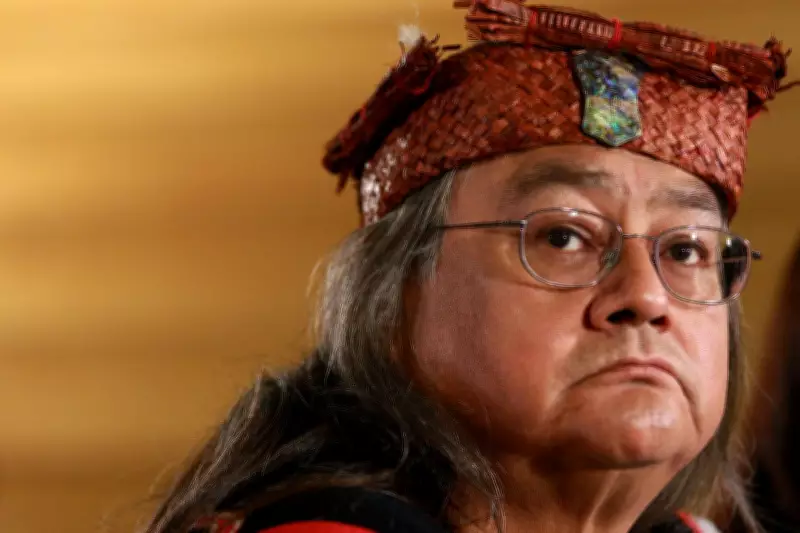
The case centers on Maxwell Johnson and his then-12-year-old granddaughter, who were handcuffed by Vancouver Police Department officers outside a Bank of Montreal branch in December 2019. The pair, who are members of the Heiltsuk Nation, were attempting to open a bank account when staff, reportedly suspicious of their status cards, called the police. The constables detained them on the sidewalk, an action that was later deemed unjustified and deeply traumatic by the family and community advocates.
In the years since, the Vancouver Police Board has formally apologized, and the officers involved have faced disciplinary proceedings. However, a specific condition of the settlement—whether the constables must apologize directly to Johnson and his granddaughter face-to-face—remains unresolved. This personal delivery is seen by the Heiltsuk community as a vital component of genuine reconciliation, emphasizing accountability and human connection over written or distant statements.

The Role of the Ex-Judge and Broader Implications
The ex-judge, whose identity has not been publicly disclosed, will weigh arguments from both sides, considering factors such as the psychological impact on the victims, precedents in police misconduct cases, and the principles of restorative justice. Their ruling could set a significant precedent for how law enforcement agencies across Canada handle apologies in similar situations, particularly those involving Indigenous peoples.
Legal experts note that in-person apologies, while uncommon in formal settlements, can foster healing and trust more effectively than impersonal communications. This case underscores the growing demand for tangible, person-centered resolutions in police accountability matters, especially as communities push for systemic changes following calls for justice and equality.
Community and Legal Perspectives
Heiltsuk leaders have expressed that a face-to-face apology is not merely a procedural step but a meaningful gesture of respect and remorse. For Maxwell Johnson and his family, it represents an opportunity for closure and acknowledgment of the harm caused. Conversely, the Vancouver Police Department and the constables' representatives may argue for alternative formats, citing privacy concerns or procedural norms.
The outcome of this decision is eagerly awaited, as it will influence ongoing efforts to rebuild relationships between police and Indigenous communities in Vancouver and beyond. It also highlights the complex interplay between legal settlements, cultural sensitivities, and the pursuit of genuine reconciliation in a post-truth and reconciliation commission era.