Esquimalt Nation Files Landmark Lawsuit Over Hatley Park Treaty Exclusion
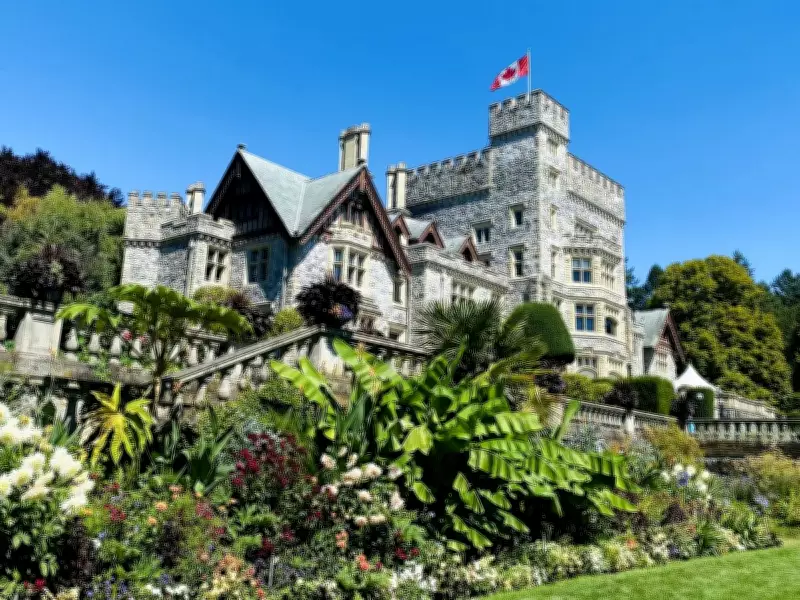
The Esquimalt Nation, a First Nations community with 384 members located on Vancouver Island, has initiated a significant legal action against Canada's attorney general. The lawsuit, filed in the British Columbia Supreme Court, centers on the claim that Hatley Park in Victoria—a 227-hectare site housing Royal Roads University—rightfully belongs to the Esquimalt people and was improperly excluded from a modern treaty involving the neighboring Songhees Nation.
Historical Context and Treaty Dispute
According to court documents, the Esquimalt Nation asserts that it has not consented to and opposes the designation of Hatley Park as Songhees treaty lands. This designation stems from a 2015 agreement-in-principle signed by the Songhees and four other First Nations with the provincial government, part of the Te’mexw Treaty Association process under the B.C. Treaty Commission. The lawsuit argues that this exclusion continues to significantly interfere with Esquimalt's Aboriginal rights, title, and culture, depriving members of lands and resources that sustained their way of life for millennia.
The claim highlights that both the Esquimalt and Songhees Nations are Lekwungen peoples, but were recognized as separate bands with distinct governments and memberships by Canada's Indian Affairs in the late 1800s. Historically, the Lekwungen occupied numerous permanent winter villages along the coast, including areas around Royal Roads and Hatley Park, using these lands for hunting, fishing, agriculture, and cultural activities.

Land Discrepancy and Current Use
The Esquimalt Nation's current reserve covers approximately 18 hectares on the eastern bank of Esquimalt Harbour. In contrast, Hatley Park spans about 227 hectares and features a mix of institutional buildings, waterfront, forested areas, and parklands. Currently owned by the federal Defence Department, the property is designated for divestiture to the Songhees Nation as part of the treaty process, a move the Esquimalt lawsuit challenges.
The legal filing details that Esquimalt representatives in the 1850s negotiated an oral agreement with Hudson’s Bay Company officials for the use and occupation of lands, including what is now Hatley Park. It contends that the Lekwungen never surrendered their interest or title during these historical interactions. Later, British government documents recognized the Lekwungen's rights to hunt and fish, with commitments to reserve village sites and enclosed fields.
Impact and Broader Implications
The lawsuit emphasizes that the loss of access to traditional territory has had profound effects on the Esquimalt community. The land is now utilized for municipal, industrial, military, and institutional purposes by entities such as the Capital Regional District, the townships of View Royal and Esquimalt, Canadian Forces Base Esquimalt, and Royal Roads University. This shift, according to the claim, represents a substantial and stark infringement on Aboriginal title, harming members and disrupting cultural practices.
As the Te’mexw Treaty Association agreement advances through Stage 5 of the six-part treaty process, this lawsuit underscores ongoing tensions in Indigenous land rights and treaty negotiations in British Columbia. The outcome could influence future treaty discussions and highlight the complexities of historical land use agreements among First Nations communities.