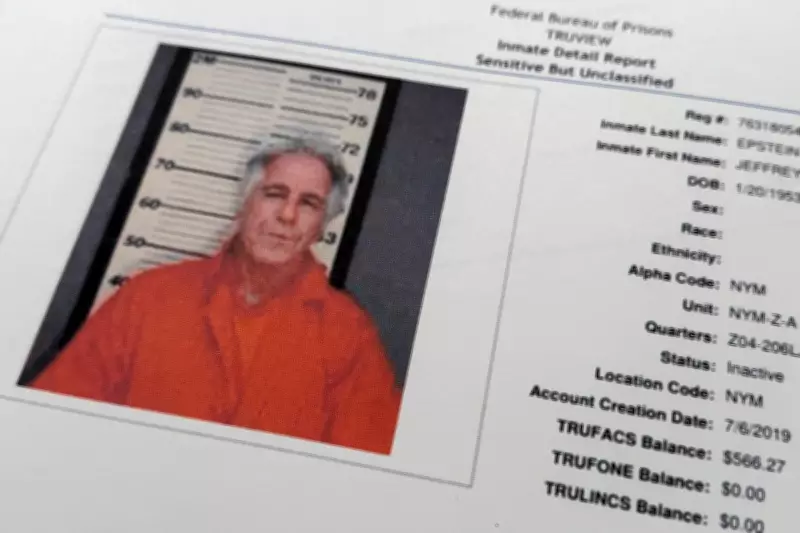
Epstein Estate Reaches $35 Million Settlement in Victim Class Action
A recent court filing has revealed that the estate of the late financier Jeffrey Epstein has agreed to a substantial settlement of $35 million in a class-action lawsuit brought forward by his victims. This development represents a pivotal moment in the protracted legal battles stemming from Epstein's widespread abuse and trafficking allegations.
Details of the Settlement Agreement
The settlement, documented in official court papers, aims to provide financial compensation to a class of individuals who suffered harm due to Epstein's actions. While the exact number of claimants covered under this agreement has not been publicly disclosed, the $35 million figure underscores the estate's acknowledgment of the profound impact on survivors.
This resolution follows years of complex litigation and public scrutiny, with victims persistently seeking justice and accountability. The estate's decision to settle avoids a potentially lengthy and contentious trial, offering a measure of closure to those affected.

Context and Broader Implications
Jeffrey Epstein, a financier with high-profile connections, was arrested in 2019 on federal charges related to sex trafficking of minors. He died by suicide in jail while awaiting trial, leaving a legacy of unresolved legal issues and victim claims. The release of related documents by the U.S. Department of Justice earlier this year has continued to fuel public interest and legal actions.
The settlement is part of a larger effort to address the financial liabilities of Epstein's estate, which has been valued at over $600 million. Previous settlements have been reached with other claimants, but this class-action agreement is notable for its scale and focus on collective victim redress.
Legal experts suggest that such settlements can help victims recover damages while navigating the challenges of posthumous proceedings. However, critics argue that monetary compensation alone cannot fully address the trauma endured, highlighting the need for ongoing support and systemic changes to prevent similar abuses.
Next Steps and Victim Support
With the settlement now filed in court, the process will move toward approval by a judge, who will assess its fairness and adequacy for the class members. Victims involved in the lawsuit will have the opportunity to review the terms and decide whether to participate or opt out.
Advocacy groups have emphasized the importance of ensuring that victims receive timely and transparent information about the settlement. They also call for continued legal and psychological support to aid in healing and recovery.
This case serves as a reminder of the enduring legal and social ramifications of high-profile abuse scandals, with the Epstein estate's actions being closely watched by both the public and the judicial system.