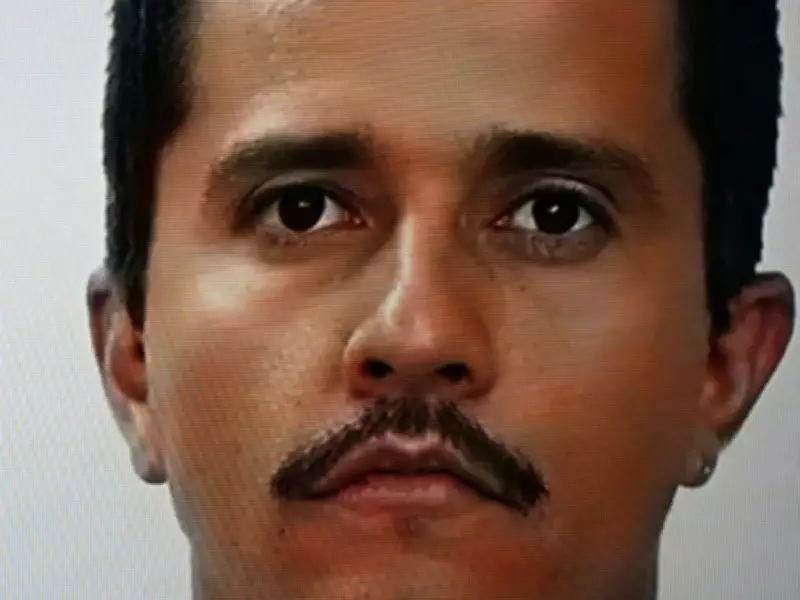
The Demise of El Mencho: U.S. Involvement and Mexican Turmoil
Nemesio Rubén Oseguera Cervantes, infamously known as "El Mencho," was killed during a Mexican military operation over the weekend. The 59-year-old leader of the Cartel de Jalisco Nueva Generación (CJNG), one of Mexico's most violent drug cartels, met his end, sparking immediate chaos across the country. In retaliation, the cartel has launched a series of brutal attacks, including setting vehicles ablaze and blocking major roadways. The Canadian government has issued a travel advisory, warning of potential shootouts with security forces and explosions in specific regions.
From Avocado Farms to Cartel Kingpin
Oseguera Cervantes was born on July 17, 1966, in Naranjo de Chila to impoverished avocado farmers. According to a 2017 Rolling Stone report, he dropped out of school in the fifth grade to assist his family on the farm. By age 14, he had transitioned to guarding marijuana crops. His criminal journey escalated when he moved to California, where his involvement in drug trafficking began in earnest during the 1990s, as documented by the U.S. Department of the Treasury. He served nearly three years in an American prison for conspiracy to distribute heroin before returning to Mexico in 1997.
The Rise of a Criminal Empire
Upon his return to Mexico, Oseguera Cervantes briefly worked as a police officer in Jalisco state before re-engaging in criminal activities. According to U.S.-based think tank InSight Crime, he became involved with the Milenio Cartel in Guadalajara, which was linked to the notorious Sinaloa Cartel led by Joaquín "El Chapo" Guzmán. Leveraging his law enforcement background, Oseguera Cervantes reportedly managed security for Milenio and operated a network of assassins. He capitalized on the arrests of the cartel's leaders to ascend to prominence.

In 2009, he founded the CJNG, financing and expanding the cartel with the backing of Abigael González-Valencia, leader of another cartel. Oseguera Cervantes solidified his position by marrying González-Valencia's sister. The U.S. Department of State noted that he rapidly transformed CJNG from a regional drug trafficking organization into an international criminal powerhouse, involved in the production and distribution of narcotics worldwide.
U.S. Role and the Aftermath
Prior to his death, the U.S. Department of State had announced a US$15 million reward for Oseguera Cervantes' arrest or conviction, highlighting the significant U.S. involvement in targeting him. The CJNG, under his leadership, was responsible for trafficking multi-ton quantities of cocaine, heroin, and methamphetamine, as well as fentanyl into the United States. The cartel was assessed to have the highest trafficking capacity for these drugs in Mexico and was known for the murders of rival cartel members and Mexican law enforcement officers.
The violent retaliation following El Mencho's death underscores the power vacuum and instability his demise has created. Images of burnt vehicles and deserted streets in cities like Guadalajara and Zapopan depict the severe impact on Mexican society. This event marks a critical moment in the ongoing battle against drug cartels, with implications for both Mexican security and international drug policy.