DNA Technology Cracks Decades-Old Child Murder Case in Elmira
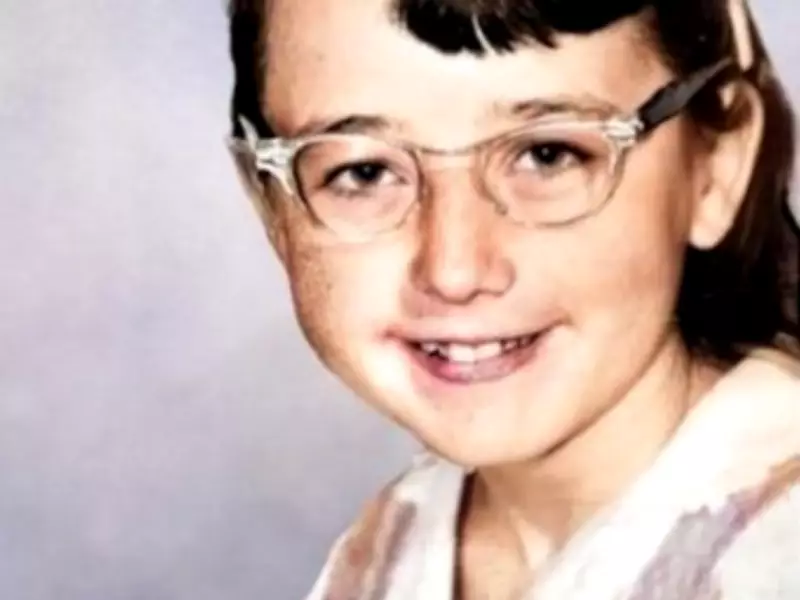
In a stunning breakthrough, Elmira police have finally solved the 1964 murder of 12-year-old Mary Theresa Simpson, using cutting-edge DNA analysis to identify her killer more than six decades after the crime. The case, which had long gone cold, was reopened with the help of forensic experts and genetic genealogy, bringing closure to a family and community haunted by the tragedy.
A Tragic Discovery in a Quiet Town
On March 19, 1964, a hiker and his two sons stumbled upon a grim scene near Combs Hill Road in Southport, New York. They found the frozen, fully-clothed body of Mary Theresa Simpson buried under twigs, branches, leaves, dirt, and heavy stones, with only part of her hand and one running shoe visible. The young girl had been reported missing just days earlier after visiting her cousins, and her disappearance had sparked a massive search involving local and state police.
An autopsy revealed that Mary had been strangled and sexually assaulted, sending shockwaves through the peaceful community of Elmira, southeast of Buffalo. At the time, such crimes were almost unheard of in the area, leading to an intensive investigation that involved over 300 people questioned, lie detector tests, and a reward offered by local media, but no arrests were made.

The Killer Identified: A War Veteran with a Dark Past
On Monday, authorities announced that the killer was Alfred Raymond Murray Jr., a Korean War veteran born in 1931 who died in 2004. Murray was known to local police for his predatory behavior toward children, yet he had evaded justice for decades. Elmira Police Sgt. William Goodwin stated, "The family finally got an answer. The case was never forgotten," highlighting the persistent efforts of law enforcement.
District Attorney Weeden Wetmore praised the investigation, noting, "The wheels of justice move slowly. The Elmira Police Department did a tremendous job." The identification was made possible after DNA evidence was submitted to Othram Inc., a Texas-based leader in genetic genealogy, which built a comprehensive profile of the suspect, allowing detectives to pinpoint Murray as the perpetrator.
Legacy of a Cold Case and Community Impact
Over the years, the case remained active in the public consciousness, with occasional anniversary stories in the Elmira Star-Gazette and increased rewards, but it turned ice cold as decades passed. The reopening of the investigation, assisted by the FBI, utilized modern forensics to achieve what traditional methods could not. Mary's sister, Linda Galvin, expressed gratitude, saying, "I want to thank the Elmira Police Department and everyone involved. I'm glad it's all over."
This resolution underscores the power of DNA technology in solving historical crimes, offering hope for other cold cases while reminding communities of the enduring pursuit of justice. The murder, initially seen as a crime of opportunity with no connection between victim and killer, now has a name attached, bringing a measure of peace to those affected by this long-standing mystery.