In a remarkable breakthrough for a decades-old mystery, forensic scientists have used DNA technology to confirm that skeletal remains found inside a car recovered from the Columbia River are those of an Oregon family reported missing in 1958. The identification closes a painful chapter of uncertainty that has lingered for over sixty-five years, providing long-awaited answers to surviving relatives and law enforcement officials.
A Submerged Vehicle and a Decades-Long Enigma
The case dates back to the late 1950s when the family, consisting of a husband, wife, and their two young children, abruptly disappeared from their home in a rural Oregon community. Despite extensive searches and investigations at the time, no credible leads emerged, and the family's fate remained one of the region's most perplexing unsolved mysteries. The vehicle, a sedan consistent with models from that era, was discovered by a recreational diving team exploring a deep section of the Columbia River near the Washington-Oregon border earlier this year.
Advanced Forensic Science Solves a Historic Puzzle
Authorities carefully extracted the vehicle from the riverbed and transported it to a specialized forensic laboratory. There, experts conducted meticulous DNA analysis on the human remains found inside. By comparing genetic material from the bones with DNA samples provided by living relatives of the missing family, scientists achieved a definitive match. This conclusive evidence confirms the identities beyond any doubt, illustrating the powerful role modern forensic science plays in resolving historic cold cases.

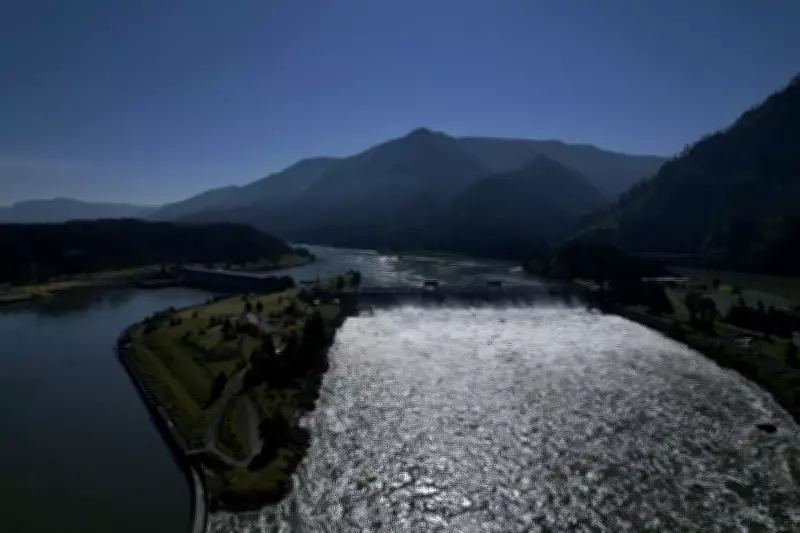
The Columbia River, a major waterway forming part of the border between Washington and Oregon, has long been a site of both natural beauty and occasional tragedy. Its strong currents and considerable depth in certain areas can make recovery operations challenging. The discovery of the vehicle highlights how bodies of water can conceal evidence for generations, only to reveal secrets when technology and circumstance align.
Closure and Continuing Investigation
For surviving family members and descendants, the DNA confirmation brings a bittersweet form of closure. While it confirms their loved ones' tragic demise, it also ends decades of agonizing uncertainty about their whereabouts. Local law enforcement agencies have expressed relief at finally solving this historic case, though the investigation into the precise circumstances leading to the vehicle entering the river remains ongoing. Officials are examining potential factors such as road conditions from 1958, weather patterns from that period, and any historical reports of accidents along that stretch of the river.
This case underscores the enduring hope that many families of missing persons hold, even after many years have passed. Advances in DNA technology, sonar mapping, and underwater recovery techniques are increasingly allowing authorities to revisit and resolve cases that once seemed hopeless. The successful identification of the Oregon family serves as a poignant reminder that some mysteries, no matter how old, can still be solved with persistence and scientific innovation.