In a landmark year for forensic science, advances in DNA analysis technology have provided crucial breaks in numerous cold cases across Canada throughout 2025. These scientific leaps are allowing law enforcement agencies to revisit and resolve investigations that have remained stagnant for years, sometimes decades.
Montreal Murder Case Closed After 17 Years
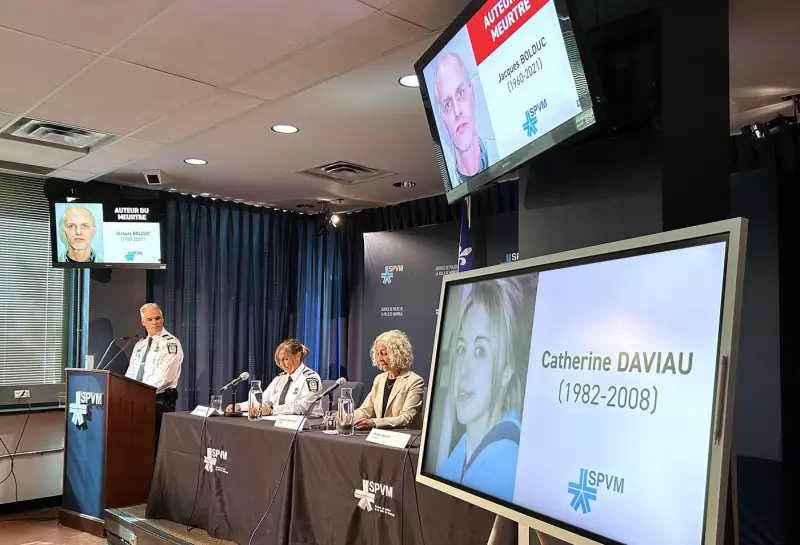
A prime example of this new capability was showcased in Montreal on Wednesday, September 17, 2025. At a news conference, Montreal police commanders Francois Sauve and Melanie Dupont, alongside Suzanne Marchand, the senior executive director of the provincial crime lab, announced the resolution of the 2008 murder of Catherine Daviau.
The announcement marked a poignant moment of closure for a case that had frustrated investigators for nearly two decades. Officials credited cutting-edge genetic analysis techniques with generating new leads where traditional methods had failed. While specific details of the technological breakthrough were not fully disclosed, authorities emphasized its growing role in the provincial and national investigative toolkit.

The Science Behind the Breakthroughs
The core of this national trend lies in refined methods for analyzing degraded or minute DNA samples. Older forensic technology often required a substantial biological sample to generate a usable profile. The new generation of tools can build a genetic profile from trace amounts of material previously considered insufficient.
Furthermore, enhanced computational power and more sophisticated algorithms allow scientists to separate and interpret complex DNA mixtures from multiple individuals, a common challenge at crime scenes. These advancements, combined with expanded genetic databases and more precise familial searching techniques, are creating a powerful synergy for investigators.
A Nationwide Impact on Justice
The implications extend far beyond a single city or case. Police services from coast to coast are reporting similar successes, applying these forensic tools to homicides, sexual assaults, and missing persons cases that had grown cold. Each resolution represents not just a procedural victory but a profound moment for victims' families who have endured years of uncertainty.
Law enforcement experts note that 2025 has been a pivotal year for integrating this new science into standard investigative workflows. The successful resolutions are validating significant investments in forensic infrastructure and training, proving that persistence combined with evolving technology can overcome the passage of time.
As the year draws to a close, the message from police and crime labs is clear: No case is ever truly closed. The continuous evolution of DNA science promises to shine a new light on old evidence, offering hope for answers and accountability in investigations once thought to have reached a dead end.