Defence Begins Arguments in Abbotsford Couple Murder Trial
The defence for three men accused of murdering an Abbotsford couple in May 2022 began presenting arguments on Monday, challenging the prosecution's evidence and suggesting a lack of direct proof placing the accused at the crime scene.
Key Defence Claims
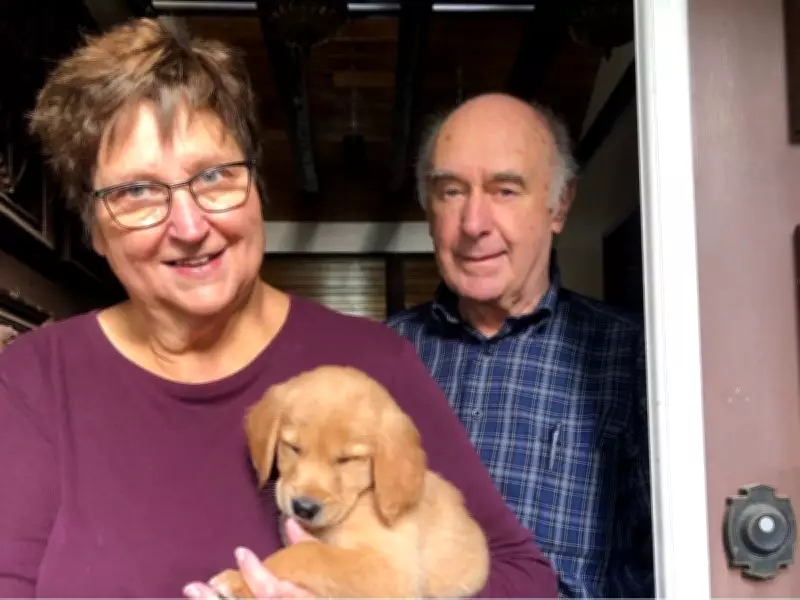
Andrew Cochrane, lawyer for Abhijeet Singh, argued that while his client purchased rope used to bind the victims, there is no evidence Singh was present during the violent home invasion that left Arnold De Jong, 77, and his wife Joanne, 76, dead.
"The prosecution's entire case collapses because there isn't evidence he was at their home that night," Cochrane told a full courtroom, noting that Singh's DNA on the rope could have been transferred when he purchased it at Home Depot the afternoon before the murders.

The Accused and Their Connection
Abhijeet Singh, 22, faces two counts of first-degree murder alongside Khushveer Toor, 22, and Gurkaran Singh, 20. All three are students from India who worked for Singh's Surrey cleaning company, which had cleaned the De Jong's roof and gutters approximately one month before the killings.
Cochrane acknowledged "some degree of moral culpability" from his client, suggesting Singh may have known about the planned home invasion and later possessed property taken from the couple's home. However, he emphasized that cellphone location data from that night "points away from his presence at the crime scene."
Violent Details of the Crime
According to prosecution allegations presented during the two-month trial, the three men broke into the couple's home while they slept. They bound Joanne De Jong and beat her with a bat before using a sharp object, possibly a screwdriver, to slash her throat. They then moved to Arnold's bedroom, wrapping his face with duct tape before stealing credit cards and cheques.
Medical experts testified that Joanne died from sharp and blunt force trauma, while Arnold died of asphyxiation due to smothering.
Questioning the Evidence
The defence challenged several key pieces of evidence presented by prosecutors:
- DNA Evidence: While a bat found in a car associated with the three men contained Joanne's DNA on the handle, Cochrane argued this could be "secondary" transfer and questioned whether the bat or screwdriver were actually used in the crime.
- Cellphone Data: The defence questioned why Singh's cellphone "pinged" off a tower near his Surrey home during the estimated time of the murders rather than near the crime scene in Abbotsford.
- Google Searches: Several searches made by Singh after the killings about "third-degree murder" penalties and immigration consequences were described as ambiguous and not indicative of direct involvement.
Purchase of Materials
During the trial, evidence showed that Abhijeet Singh purchased rope, a screwdriver, and a softball bat from a hardware store the afternoon before the home invasion. Home Depot surveillance video captured him with these purchases.
Prosecutors suggested the men kept the bat as a "treasured" murder weapon, noting it appeared in a video clip taken by one of the accused three months after the killings.
Defence Theory
Cochrane proposed the killings may have resulted from a "robbery gone wrong" rather than premeditated murder, emphasizing what he described as insufficient evidence connecting his client directly to the violent acts that occurred inside the De Jong home.
The defence arguments continue as the trial progresses, with both sides presenting contrasting interpretations of the available evidence in this high-profile murder case.