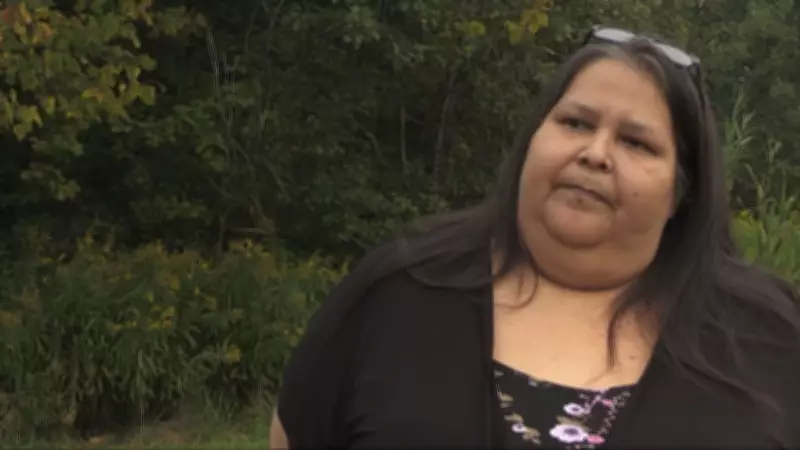
Daughter's Tearful Remorse After Cashing Mother's Residential School Settlement Cheque
In a deeply emotional and revealing case from London, a daughter has publicly expressed profound remorse after cashing a residential school settlement cheque intended for her mother. This incident sheds light on the complex and painful legacy of Canada's residential school system, where financial compensation often intersects with ongoing intergenerational trauma and family strife.
The Heartbreaking Confession
Ursula Doxtator, whose identity has been confirmed through file images, broke down in tears as she recounted the events that led to her cashing the settlement cheque. The cheque was part of the Indian Residential Schools Settlement Agreement, a monumental compensation package designed to provide redress to survivors of the notorious institutions that operated for over a century, forcibly separating Indigenous children from their families and cultures.
"I never meant to cause my mother more pain," Doxtator stated, her voice trembling with emotion. "But the financial pressures were overwhelming, and in a moment of desperation, I made a decision I now deeply regret." Her confession underscores the harsh realities many Indigenous families face, where historical injustices compound modern economic hardships, creating situations where survival instincts can override ethical considerations.

Understanding the Settlement Context
The residential school settlement process has been a critical, albeit controversial, component of Canada's truth and reconciliation efforts. Key elements include:
- Common Experience Payment (CEP): A base compensation provided to all eligible former students of residential schools.
- Independent Assessment Process (IAP): For those who suffered serious physical or sexual abuse, offering additional compensation.
- Truth and Reconciliation Commission (TRC): Established to document the experiences of survivors and promote healing.
However, as this case illustrates, the distribution of funds can sometimes lead to intra-family conflicts, especially when beneficiaries are elderly or vulnerable, and family members are grappling with poverty or addiction issues rooted in generational trauma.
Broader Implications and Community Reactions
This incident has sparked conversations within Indigenous communities and beyond about the adequacy of settlement processes and the need for better support systems. Many advocates argue that while financial compensation is necessary, it must be accompanied by robust mental health services, financial literacy programs, and community-led healing initiatives to prevent such situations.
"Money alone cannot heal the wounds of residential schools," noted a community elder who wished to remain anonymous. "We need holistic approaches that address the emotional, spiritual, and economic dimensions of this trauma." The case also raises questions about legal safeguards for settlement funds, with some calling for stricter protocols to protect vulnerable recipients from exploitation, whether intentional or born of desperation.
Pathways to Reconciliation and Restitution
In response to this incident, local support groups have mobilized to offer counseling and mediation services to the family involved. There is also a growing push for:
- Enhanced Legal Protections: Implementing measures to ensure settlement funds are used as intended, possibly through trust accounts or direct benefit transfers.
- Community Education: Increasing awareness about the historical context of residential schools and the purpose of settlement payments.
- Family Support Programs: Providing resources to help families navigate the emotional and financial complexities that arise from such compensations.
Doxtator has expressed a desire to make amends, though the specifics remain private. Her story serves as a poignant reminder that the journey toward reconciliation is fraught with personal and collective challenges, requiring empathy, understanding, and sustained commitment from all sectors of society.