The father of a young child, whose death led to a manslaughter charge, took the extraordinary step of secretly recording a conversation with the accused individual. The incident, which came to light in early January 2026, adds a complex layer to an already tragic legal proceeding.
A Father's Search for Answers
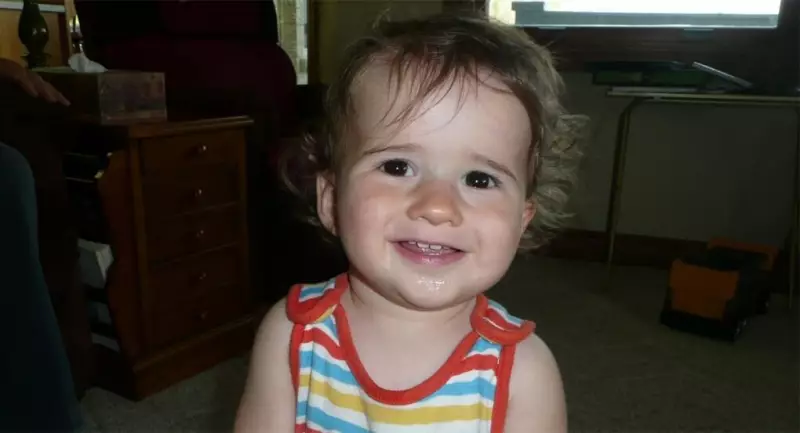
Motivated by a profound need for clarity, the father explained his actions by simply stating, "I wanted to see what happened." This clandestine recording occurred during a meeting with the person charged in connection with the death of his toddler, Nathaniel Wayne McLellan. The case has drawn significant attention, underscoring the deep anguish and desperate measures that can accompany such profound loss.
Legal and Ethical Complexities
While the details of the recorded conversation have not been fully disclosed to the public, the act itself raises immediate questions about its admissibility in court and the ethical boundaries involved. Secret recordings can exist in a legal grey area in Canada, often depending on the context and the participants' reasonable expectation of privacy. This development is likely to be a pivotal point as the manslaughter case progresses through the Ontario justice system.

The case of Nathaniel Wayne McLellan is a heartbreaking reminder of the vulnerabilities at the intersection of personal tragedy and legal process. The father's decision to make a recording reflects a lack of trust or a need for personal verification that the formal system may not have provided.
Broader Context of Justice and Accountability
This event does not occur in isolation. It resonates within a national conversation about transparency, victim's rights, and public confidence in legal institutions. The actions of this grieving father highlight the lengths to which individuals may go when seeking accountability and truth, especially when the life of a child is involved.
The legal proceedings will ultimately determine the consequences of both the original allegations and the method of obtaining the recorded evidence. For now, the case stands as a somber example of how tragedy can propel individuals into difficult, and legally contentious, actions in their pursuit of justice.