CRA Demands Laval Pay $1 Million to Former Mayor for Taxes on Stolen Funds
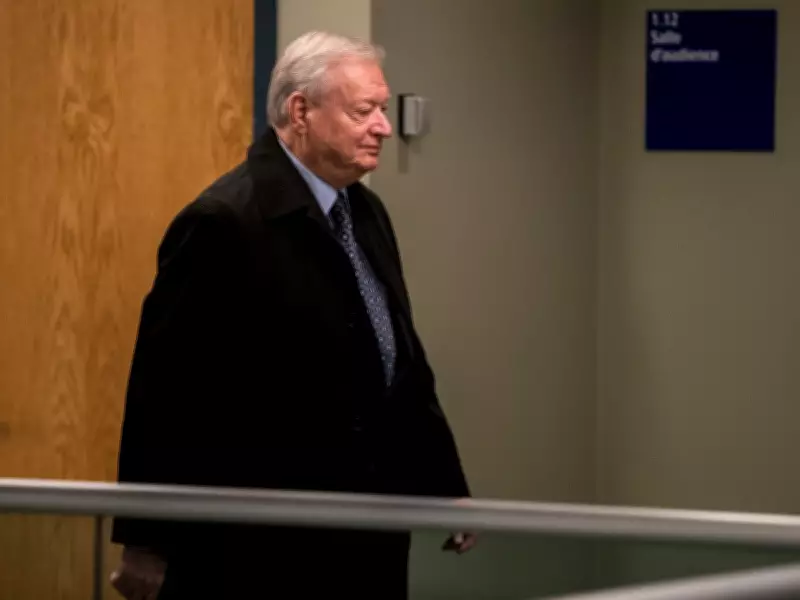
The city of Laval faces a controversial demand from the Canada Revenue Agency to pay approximately $1 million to former mayor Gilles Vaillancourt. This payment would cover taxes on money he collected through a municipal corruption scheme, which he later returned to the city.
Background of the Corruption Case
Gilles Vaillancourt, who served as mayor from 1989 to 2012, pleaded guilty in 2016 to participating in a widespread corruption scheme that plagued Laval for years. In his guilty plea, Vaillancourt admitted to using his position as mayor to funnel millions of dollars into Swiss bank accounts as part of a conspiracy.
He returned roughly $8 million to the city at the time of his conviction, with those funds being placed into a special account aimed at helping disadvantaged youth programs. Despite this restitution, Vaillancourt received a six-year prison sentence in late 2016 and was granted full parole in 2018.

The CRA's Tax Demand
According to a report by Radio-Canada, the Canada Revenue Agency is seeking to collect a 14 percent tax on approximately $7 million of the stolen funds. The agency initially attempted to collect this money directly from Vaillancourt, but his legal team argued that the city should be responsible since he returned the stolen money.
The CRA's position has created what current Laval Mayor Stéphane Boyer describes as an "exceptional situation" that requires federal intervention and discretion.
City Officials Express Outrage
Mayor Boyer has strongly objected to the CRA's demand, stating in a written statement: "The people of Laval have already paid a heavy price for this fraud. It would be unacceptable for them to now also be asked to pay taxes on money that was stolen from them."
Boyer pointed to precedent from 2016 when the Quebec government returned money Vaillancourt owed to Revenu Québec back to the city. He believes the federal government has similar discretionary power to correct what he calls an unjust situation.
"There is discretionary power to correct this type of exceptional situation," Boyer wrote. "We are asking the federal government to exercise this judgment, as the Quebec government did in 2016. I can't imagine writing a cheque to Mr. Vaillancourt. We need to be on the right side of history."
Federal Government Response
In response to inquiries, a spokesperson for Canadian Finance Minister François-Philippe Champagne stated that the minister cannot comment on individual cases. However, the spokesperson confirmed that Minister Champagne convened a meeting with the CRA commissioner on Monday to discuss the matter.
"It's worth reiterating that the agency's mandate is to at once enforce federal tax laws and ensure that amounts that may be subject to federal taxes are done in accordance with the law," the spokesperson added.
Legal Representation and Public Reaction
The law firm representing Gilles Vaillancourt did not respond to requests for comment by the Monday deadline. The case has generated significant public interest, particularly among Laval residents who endured years of corruption under Vaillancourt's administration.
This development comes years after Vaillancourt's conviction, highlighting the ongoing financial and legal complexities stemming from the corruption scandal that rocked Quebec's third-largest city for decades.