Claims Process Opens for $1.1-Billion Indian Hospitals Settlement in Canada
A significant milestone has been reached in a long-standing legal battle as the claims process officially opens for a $1.1-billion class-action settlement. This settlement addresses allegations from former patients of government-run "Indian hospitals" across Canada, marking a critical step toward justice and reconciliation for Indigenous communities.
Background of the Class-Action Lawsuit
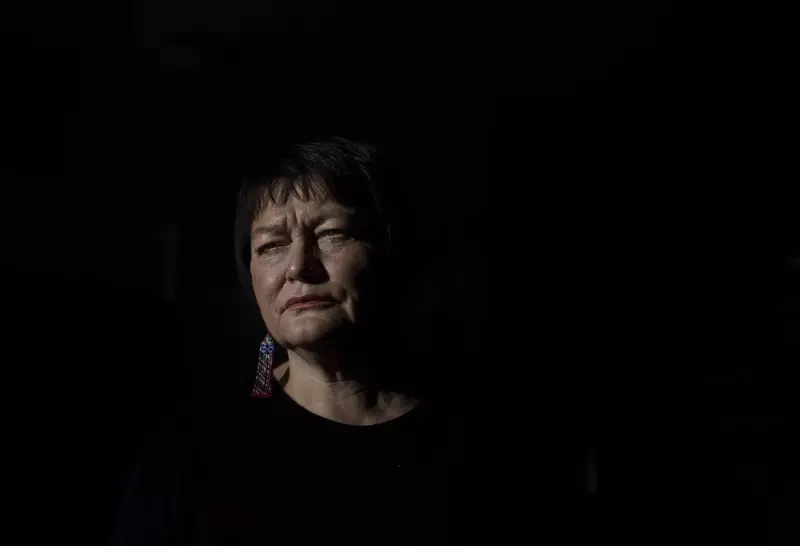
The lawsuit, which has been years in the making, represents thousands of Indigenous individuals who were patients at these segregated medical facilities. Ann Hardy, the representative plaintiff from Edmonton, Alberta, has been a vocal advocate, alleging she suffered sexual abuse during monthly X-ray sessions at the Charles Camsell Indian Hospital in Edmonton. Her case highlights the broader pattern of systemic abuse and neglect reported by many former patients.
These Indian hospitals, operated by the federal government from the 1940s to the 1980s, were often underfunded and provided substandard care compared to mainstream hospitals. Survivors have described experiences of medical experimentation, forced sterilization, physical and emotional abuse, and cultural suppression, contributing to intergenerational trauma within Indigenous families.

Details of the Settlement and Claims Process
The $1.1-billion settlement is one of the largest of its kind in Canadian history, aimed at compensating eligible claimants for the harms they endured. The claims process is now open, allowing former patients or their estates to submit applications for compensation. Key aspects include:
- Eligibility Criteria: Individuals who were patients at designated Indian hospitals during specific time periods may qualify, with provisions for those who experienced abuse or neglect.
- Application Deadlines: Claimants must adhere to strict submission timelines, which are being communicated through official channels and community outreach programs.
- Compensation Tiers: The settlement includes different compensation levels based on the severity of experiences, such as physical injury, sexual abuse, or wrongful death.
Legal representatives and Indigenous organizations are working to ensure survivors are aware of the process and have support in navigating it, particularly for elderly or vulnerable individuals. This effort is part of a broader push to address historical injustices outlined in the Truth and Reconciliation Commission's calls to action.
Broader Implications and Community Response
This settlement is not just about financial compensation; it represents a formal acknowledgment of the Canadian government's role in perpetuating harm against Indigenous peoples through its healthcare policies. Community leaders and advocates emphasize that while money cannot undo the trauma, it can provide some measure of redress and support healing initiatives.
In parallel, there are calls for continued reforms in Indigenous healthcare to prevent such abuses from recurring. This includes improving access to culturally safe medical services and addressing ongoing disparities in health outcomes between Indigenous and non-Indigenous populations.
The opening of the claims process coincides with other national conversations on reconciliation, such as debates over land rights and resource development agreements, underscoring the interconnected nature of Indigenous issues in Canada. As survivors come forward, their stories are expected to shed further light on this dark chapter of history, fostering greater public awareness and empathy.
Overall, the claims process is a pivotal moment in Canada's journey toward reconciliation, offering hope for closure and justice for many who have waited decades for recognition of their suffering.