Minnesota Church Service Disrupted by Protest Over Pastor's Alleged ICE Ties, Leader Arrested
In a dramatic incident that has stirred local controversy, a woman who organized and led a protest at a church service in Minnesota has been taken into custody by authorities. The arrest follows a disruptive demonstration at Cities Church in St. Paul, where activists forcefully interrupted a worship gathering on Monday, January 19, 2026.
Allegations Against Pastor Spark Activist Outcry
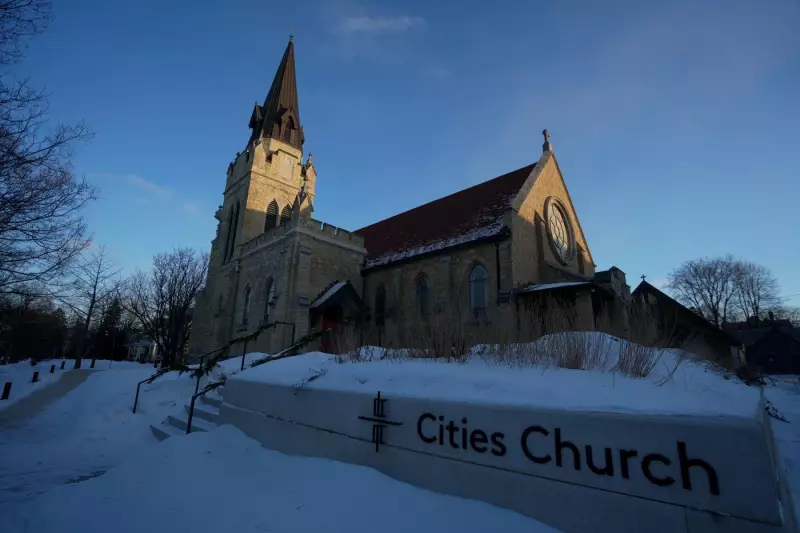
The protest was fueled by claims from the activist group that the church's pastor was concurrently employed as an agent for U.S. Immigration and Customs Enforcement (ICE). This dual role allegation prompted the demonstrators to confront the congregation during the service, leading to a temporary shutdown of religious activities. The scene, captured in photographs, shows the church exterior as tensions mounted outside.
Law enforcement officials, including representatives from Bondi's office, confirmed the arrest of the protest leader, though specific charges have not been immediately disclosed. The incident highlights ongoing national debates over immigration enforcement and the intersection of faith communities with governmental agencies.

Community Reaction and Broader Implications
Local residents in St. Paul have expressed mixed reactions, with some supporting the protesters' right to free speech and others condemning the disruption of a place of worship. The event underscores the volatile nature of immigration issues in the United States, particularly in regions with diverse populations.
This arrest comes amid a backdrop of heightened political discourse surrounding ICE operations and their impact on communities. Similar protests have occurred elsewhere, but this case stands out due to the direct targeting of a religious institution and the subsequent legal action against the organizer.
As the situation develops, authorities are investigating the full circumstances, including the veracity of the claims against the pastor. The case may set precedents for how protests at religious sites are handled legally, balancing First Amendment rights with public order concerns.