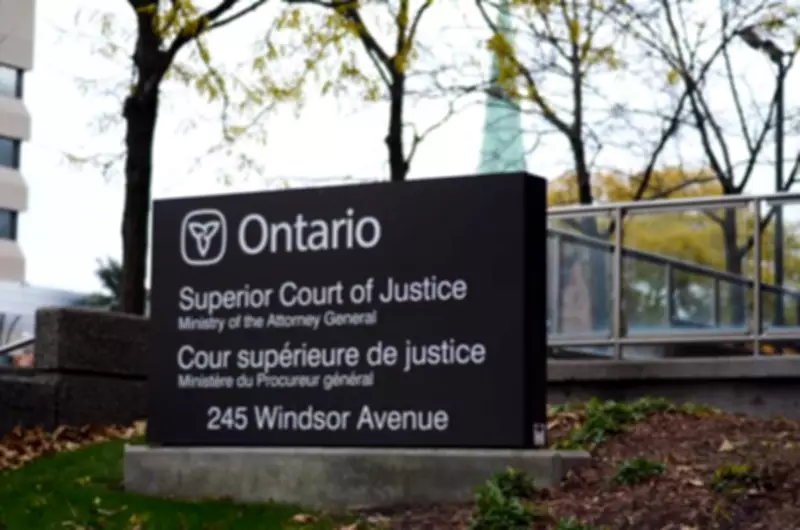
Ontario Chief Justice Dismisses Calls for Judicial Apology to Toronto Police Officers
In a firm and decisive ruling, Ontario's Chief Justice has rejected calls for a judge to issue an apology to Toronto police officers who were accused of providing false testimony during a trial. The Chief Justice characterized these demands as both "inappropriate and unethical," emphasizing the importance of judicial independence and the integrity of the legal process.
Upholding Judicial Integrity Amid Controversy
The controversy stems from a trial where Toronto police officers faced allegations of lying under oath. Following the proceedings, there were public and potentially internal calls for the presiding judge to apologize to the officers, suggesting that the judicial scrutiny had unfairly tarnished their reputations. However, the Chief Justice's response underscores a fundamental principle: judges must be free to evaluate evidence and make determinations without fear of external pressure or reprisal.
The Chief Justice stated that requiring a judge to apologize for performing their judicial duties would undermine the rule of law and erode public confidence in the justice system. This stance highlights the delicate balance between holding law enforcement accountable and respecting the judicial role in assessing credibility and truth in courtrooms.

Broader Implications for Legal Proceedings
This decision has significant implications for ongoing and future legal cases involving police testimony. It reinforces that judges are tasked with critically examining all evidence, including that provided by law enforcement officials, to ensure fair trials. The rejection of apology calls serves as a reminder that the judiciary operates independently from other branches of government and public opinion, a cornerstone of democratic societies.
Legal experts note that such controversies often arise in high-profile cases where police conduct is scrutinized. The Chief Justice's firm position may deter similar demands in other jurisdictions, promoting a culture where judicial decisions are respected even when they are unpopular with certain stakeholders.
Reactions and Context
While the specific details of the trial and the identities of the officers remain undisclosed in this report, the incident has sparked discussions about police accountability and judicial ethics in Ontario. Advocacy groups for police reform have welcomed the Chief Justice's stance, viewing it as a defense of transparency and accountability. Conversely, some police associations may express concerns over the perceived lack of support for officers facing allegations.
The timing of this decision is notable, as it comes amid broader national conversations about law enforcement practices and the justice system's role in addressing misconduct. By firmly rejecting calls for an apology, the Chief Justice has drawn a clear line in safeguarding judicial autonomy against external influences.
In conclusion, the Ontario Chief Justice's rejection of demands for a judge to apologize to Toronto police officers accused of lying at trial reaffirms the critical importance of judicial independence. This ruling not only addresses the immediate controversy but also sets a precedent for maintaining ethical standards and integrity within Canada's legal framework, ensuring that justice is administered without compromise or undue pressure.