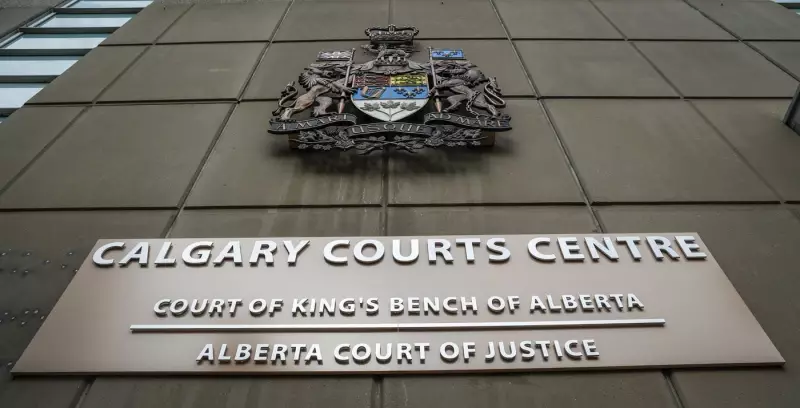
Calgary Court Dismisses Counterfeit Money Case After Evidence Destruction
A Calgary judge has made the significant decision to stay charges against a local woman after crucial evidence in a counterfeit money investigation was destroyed. This development underscores ongoing challenges within the judicial system regarding evidence preservation and procedural integrity.
Case Details and Judicial Decision
The case centered around allegations involving counterfeit currency, with the prosecution unable to proceed after the physical evidence was destroyed. The judge determined that proceeding with the charges would compromise the fairness of the trial, given the absence of key evidence that could have been used by the defense.
This decision follows established legal principles that require the preservation of evidence to ensure a fair judicial process. When evidence is destroyed, whether intentionally or through negligence, it can fundamentally undermine the ability to conduct a proper trial.

Broader Implications for Evidence Handling
The case highlights several important considerations for law enforcement and judicial authorities:
- Evidence preservation protocols: Proper procedures must be maintained for storing and handling physical evidence throughout investigations and trials.
- Chain of custody requirements: Maintaining clear documentation of who handles evidence and when is crucial for legal proceedings.
- Consequences of evidence loss: When evidence is compromised or destroyed, it can lead to charges being stayed or dismissed, regardless of the original allegations.
This incident serves as a reminder of the delicate balance between efficient case management and the fundamental rights of individuals facing charges within the Canadian justice system.
Legal Context in Alberta
The decision occurs within Alberta's judicial framework, where courts have consistently emphasized the importance of evidence integrity. Similar cases across Canada have seen charges stayed when evidence preservation failures have occurred, establishing precedent for such judicial actions.
Legal experts note that while staying charges represents a significant judicial action, it reflects the court's commitment to ensuring fair trials and protecting constitutional rights. The destruction of evidence, particularly in cases involving physical items like counterfeit money, creates insurmountable obstacles for both prosecution and defense.
This case will likely prompt reviews of evidence handling procedures within relevant law enforcement agencies to prevent similar situations in future investigations involving physical evidence that requires preservation for trial proceedings.