Mexican Cartels Unleash Fake News Campaign to Sow Fear After Kingpin's Death
In the wake of the Mexican army's successful operation that resulted in the death of Nemesio Oseguera Cervantes, the notorious leader of the Jalisco New Generation Cartel known as "El Mencho," criminal organizations have escalated their tactics by deploying a sophisticated fake news campaign. This disinformation strategy is specifically designed to spread fear and chaos among local populations, thereby undermining government security efforts and destabilizing communities across Mexico.
Exploiting Social Media to Amplify Intimidation
Cartels are leveraging social media platforms and encrypted messaging apps to disseminate false narratives and fabricated threats. These messages often include warnings of imminent violence, fake reports of military operations, and exaggerated claims of cartel power, all aimed at intimidating residents and creating an atmosphere of terror. By flooding digital channels with misleading content, the cartels seek to erode public trust in authorities and disrupt daily life, making it harder for law enforcement to maintain order.
Impact on Local Communities and Security Operations
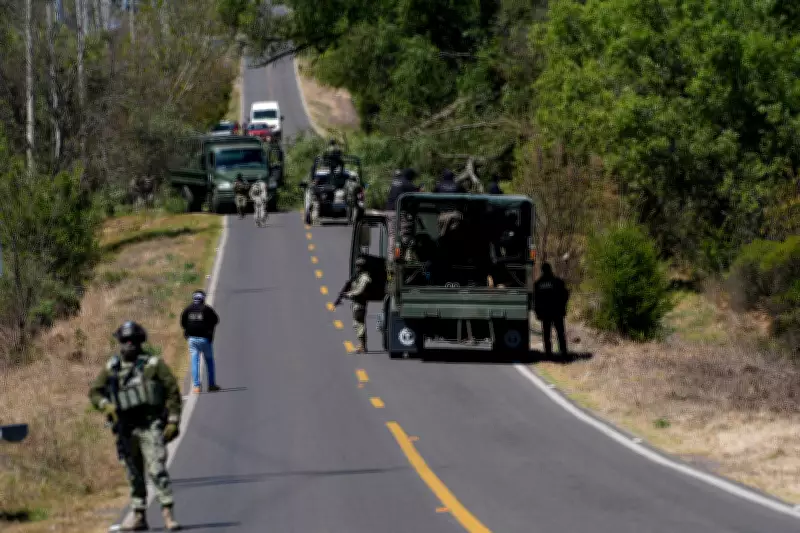
The proliferation of fake news has had tangible effects on ground-level security and community morale. In regions like Tapalpa, where roadblocks were recently cleared by soldiers, residents report increased anxiety and confusion due to the barrage of disinformation. This psychological warfare complicates the efforts of the Mexican army and police, who must now contend not only with physical threats but also with the spread of fear that can paralyze civic response and hinder investigative progress.

Broader Implications for Mexico's Fight Against Organized Crime
This shift towards information warfare marks a dangerous evolution in cartel strategies, highlighting their adaptability in the face of high-profile losses like El Mencho's death. Experts warn that such tactics could prolong violence and instability, as fake news campaigns are difficult to counter and can quickly go viral. The Mexican government faces the dual challenge of addressing both the physical and digital fronts of this conflict, requiring enhanced cybersecurity measures and public awareness initiatives to combat disinformation effectively.
As authorities continue to seize assets and dismantle networks, the battle against cartels is increasingly being fought in the realm of perception, where controlling the narrative is as critical as capturing kingpins. The ongoing situation underscores the need for international cooperation and innovative approaches to safeguard communities from both real and virtual threats posed by organized crime.