Cold Case Breakthrough: Canadian Woman's 1980s Murder Linked to Suspected Serial Killer
In a significant development for a decades-old mystery, Florida homicide detectives have identified the remains of a Canadian woman and connected her murder to a notorious suspected serial killer. The case, which had remained cold for nearly forty years, has been reignited through advanced forensic techniques and persistent investigative work.
The Discovery and Identification
Jeanette Marcotte, last seen in Saskatchewan around 1981 or 1982, was officially identified through DNA analysis conducted by Othram Inc., a pioneer in genetic genealogy. Her remains, discovered in January 1985 in a wooded area of Malabar, Florida, were found alongside those of another woman, Kimberly Walker, who was identified through dental records at the time.
Marcotte, who had vague plans to travel to Vancouver before disappearing, became part of what experts call the "missing missing"—individuals whose disappearances go unreported because no one knows they are missing. For years, she was known only as Malabar Jane Doe, with investigators estimating her age between 20 and 50 and her height between 5 feet and 5 feet 7 inches.

The Suspect: John Crutchley, the 'Vampire Rapist'
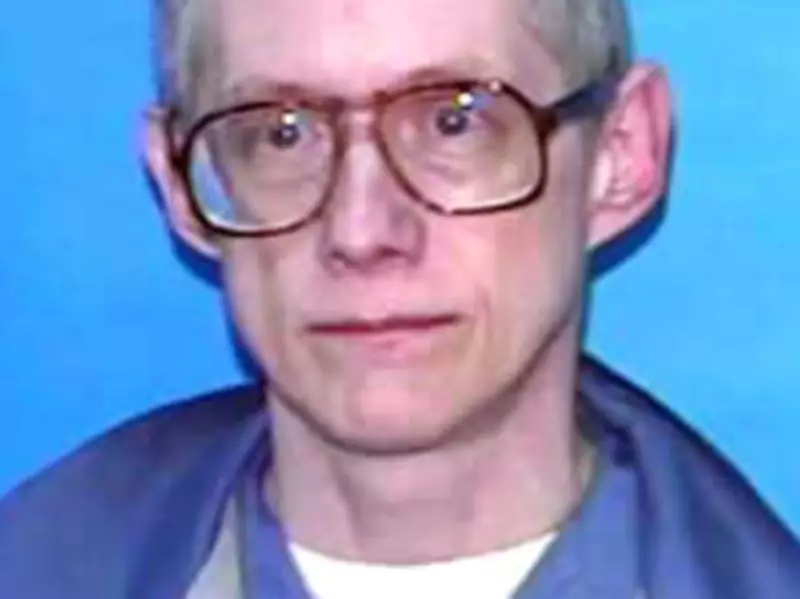
Investigators have long theorized that John Brennan Crutchley, a convicted rapist and kidnapper who died in prison in 2002, was responsible for Marcotte's murder. Crutchley, who resided in Malabar at the time of the murders, earned the moniker "Vampire Rapist" due to his violent and bizarre crimes, including draining a victim's blood to the point of death.
His childhood was marked by unusual circumstances; his mother, Mildred Crutchley, dressed him as a girl for the first six years of his life, a fact that detectives believe may have influenced his later behavior. Crutchley's criminal activities extended beyond Florida, with suspicions linking him to murders in Virginia, Maryland, Ohio, and Washington, D.C. He is suspected in up to 30 murders, though he was never convicted for homicide.
Investigation and Evidence
According to Tod Goodyear of the Brevard County Sheriff's Office, Crutchley was always a prime suspect in Marcotte's case. During searches, police found 72 index cards with names and sexual performances of women and men, along with hundreds of explicit photos depicting violent acts. Crutchley's wife participated in similar activities, though her fate remains unclear.
Despite his death, the investigation continues as detectives piece together the full extent of his crimes. The identification of Marcotte represents a crucial step in providing closure for her case and potentially uncovering other unsolved murders linked to Crutchley.
This breakthrough highlights the evolving role of technology in solving cold cases and the enduring efforts of law enforcement to seek justice for victims, no matter how much time has passed.