Decades-Old Florida Mystery Solved: Canadian Woman Identified Through DNA
In a remarkable breakthrough combining forensic science and persistence, skeletal remains discovered in rural Florida forty-one years ago have finally been identified as belonging to a Canadian woman. The case, which had long grown cold, has been resolved through advanced DNA technology, bringing closure to a mystery that spanned international borders.
The Discovery and Initial Investigation
The story begins in January 1985, when a woman's skeleton was found in a densely wooded area of Malabar, Florida, a small town located southeast of Orlando. At the time, authorities from the Brevard County Sheriff's Office and the local medical examiner's office conducted a thorough investigation but were unable to establish the woman's identity. With no identification available, the case quickly became a challenging puzzle for law enforcement.
Initial estimates suggested the woman stood between five feet and five-foot-seven inches tall, with her age potentially ranging from 20 to 50 years old. Despite extensive efforts, the investigation stalled, and the unidentified woman became known as "Malabar Jane Doe" in official records. Her case was entered into the U.S. National Missing and Unidentified Persons System, where it would remain for decades.

The Breakthrough: Modern DNA Technology
The turning point came in 2024 when Florida state law enforcement officials, utilizing a federal grant, submitted evidence from the case to Othram, a Texas-based forensic DNA laboratory specializing in solving cold cases. Othram employs cutting-edge genome sequencing technology to develop detailed DNA profiles from challenging samples.
Using their patented techniques, Othram scientists successfully created a comprehensive DNA profile from the remains. This profile enabled a state genealogical scientist to generate crucial investigative leads, allowing law enforcement to narrow their focus and ultimately identify the woman as Jeanette Marcotte.
Connecting the Dots Across Borders
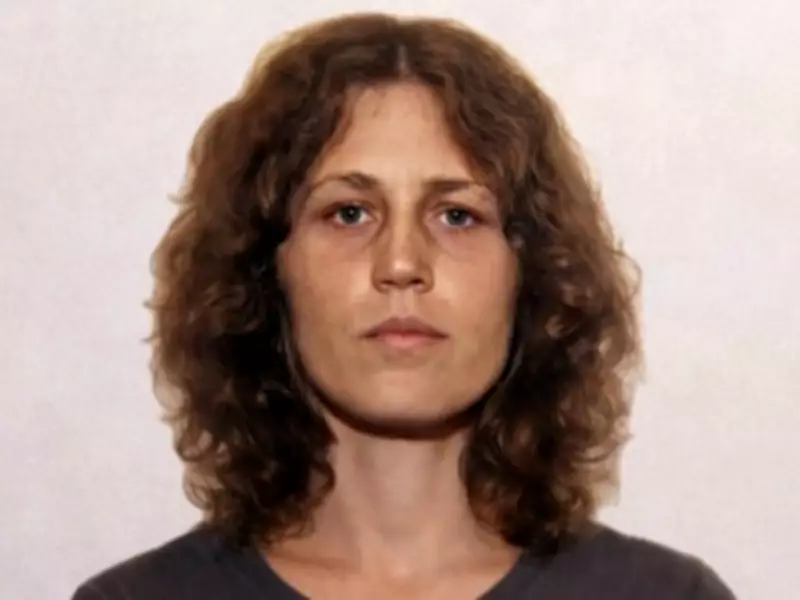
Jeanette Marcotte was a Canadian woman last seen in Saskatchewan in the early 1980s. While details about her disappearance remain unclear, it's believed she was headed to Vancouver, British Columbia, before vanishing. Her identification marks the resolution of a missing persons case that had remained open for over four decades.
Kristen Mittelman, Chief Development Officer at Othram, emphasized the significance of DNA technology in solving such complex cases. "In a cold case like this, where a woman is reported missing in Canada and her remains are found in Florida, there is almost no way for investigators to piece that together except through DNA," Mittelman stated. "These are difficult cases to solve, but the technology is here and it works."
The Broader Impact and Remaining Questions
This case represents the 51st cold case that Othram has helped resolve in Florida alone, demonstrating the growing importance of forensic genealogy in modern law enforcement. The successful identification was made possible through a 2022 MUHR grant awarded to the Florida Department of Law Enforcement, highlighting how targeted funding can advance justice in long-unsolved cases.
Despite this breakthrough, many questions remain unanswered. Neither law enforcement officials nor Othram have released details about the circumstances surrounding Marcotte's death or how she came to be in Florida. The Brevard County police and Global Affairs Canada have been contacted for additional information, but the full story behind her disappearance and death may never be fully known.
The identification of Jeanette Marcotte serves as a powerful reminder of how technological advancements continue to transform cold case investigations, offering hope for resolution even after decades have passed. For families of missing persons, such breakthroughs provide long-awaited answers and a measure of closure, no matter how much time has elapsed.