Mass Shootings in Canada: A Rare but Tragic Reality
While mass shootings are statistically uncommon in Canada compared to some other nations, the country has experienced several devastating incidents that have left permanent marks on its collective memory. The recent Tumbler Ridge school rampage serves as a somber reminder of this tragic reality, ranking as one of the deadliest school shootings in Canadian history since the École Polytechnique massacre in 1989.
The Tumbler Ridge Tragedy
On a Tuesday in Tumbler Ridge, a shooting rampage claimed the lives of nine victims, including high school students, while leaving 27 others injured. The shooter was subsequently found dead at the scene. This horrific event immediately drew comparisons to previous Canadian mass shootings, highlighting how such violence, though rare, can strike communities with devastating force.
Historical Context of Canadian Mass Shootings
Mass shootings remain exceptionally rare occurrences in Canada. The deadliest rampages in recent memory occurred just six years ago in Nova Scotia, demonstrating that while these events are infrequent, their impact is profound and long-lasting. In British Columbia specifically, there have been only a handful of mass shootings throughout history, with the Vernon massacre of 1996 standing as the province's deadliest incident.

Canada's Most Lethal Mass Shootings
Portapique, Nova Scotia (2020)
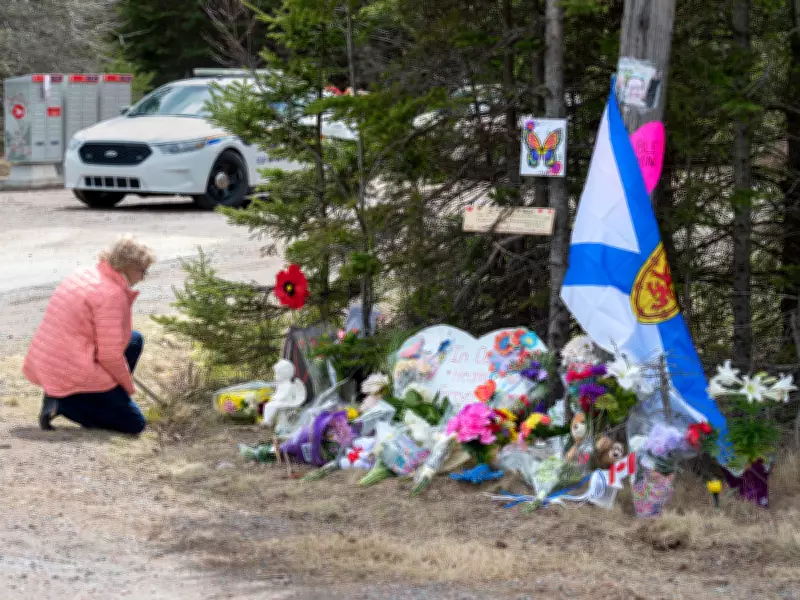
Between April 18 and 19, 2020, 51-year-old Gabriel Wortman committed multiple shootings and set fires at 16 different locations across Nova Scotia. The attack claimed 22 lives and injured three people. At one point, the gunman disguised himself as a police officer during his rampage. Royal Canadian Mounted Police officers ultimately shot and killed Wortman in the community of Enfield. This remains the deadliest shooting rampage in Canadian history.
École Polytechnique, Montreal (1989)
On December 6, 1989, 25-year-old Marc Lépine entered the engineering school and separated male and female students before specifically targeting women in what authorities described as a misogynistic attack. He killed 14 women and injured 10 additional women along with four men before taking his own life. This tragedy sparked national conversations about gender-based violence and gun control in Canada.
Wedding Massacre, Vernon (1996)
On April 5, 1996, 30-year-old Mark Vijay Chahal arrived at his ex-wife's home where wedding preparations were underway. He first shot and killed his ex-wife's father outside the residence, then proceeded room by room through the house, fatally shooting his ex-wife, her mother, her four sisters, her brother, and the husband of one sister. Two other family members were injured in the attack before Chahal took his own life at a motel.
Quebec City Mosque Shooting (2017)
During evening prayers on January 29, 2017, a gunman opened fire at the Islamic Cultural Centre of Quebec City. The attack resulted in six fatalities and five people wounded by gunfire, with an additional twelve individuals treated for minor injuries. The perpetrator, 27-year-old Alexandre Bissonnette, later pleaded guilty to six counts of first-degree murder and five counts of attempted murder in what authorities classified as a terrorist attack.
Surrey Six Massacre (2007)
On October 19, 2007, six men were discovered shot to death in a fifteenth-floor apartment suite in Surrey, British Columbia. This incident represented one of Metro Vancouver's deadliest gang-related attacks, resulting from violent conflicts between the Red Scorpions and UN gangs. The massacre highlighted the deadly consequences of organized crime violence in Canadian urban centers.
These tragic events, while statistically rare in Canada, demonstrate the profound impact of mass shootings on communities across the nation. Each incident has prompted national conversations about public safety, gun control, mental health resources, and community resilience in the face of unimaginable violence.