The brother of a man killed in a case connected to a Vancouver festival suspect has publicly described the profound and ongoing impact of the violence, calling it a devastating 'ripple effect.' The emotional statement adds a new, personal dimension to a complex legal proceeding.
A Personal Tragedy Amid Legal Proceedings
The comments emerged from a case currently moving through the British Columbia justice system. While specific details of the charges are not detailed in the initial report, the incident is linked to a suspect involved in a festival-related matter in Vancouver. The victim's brother chose to speak out, framing the loss not as an isolated event but as part of a wider cascade of consequences affecting families and communities.
The killing occurred in Vancouver, a city that has seen its share of high-profile violent crimes. The brother's decision to label the aftermath a 'ripple effect' underscores how a single act of violence can send shockwaves far beyond the immediate victim and perpetrator, touching siblings, parents, and friends in enduring ways.

The Broader Context of Court and Community
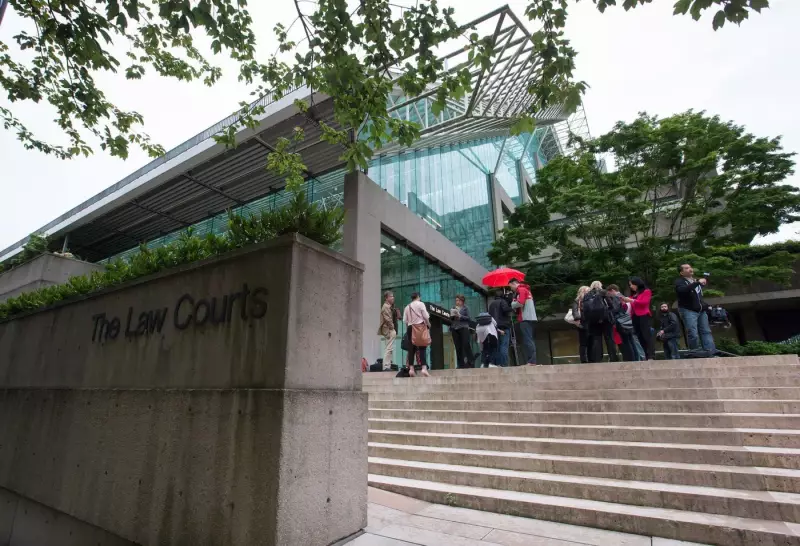
The case is being heard at B.C. Supreme Court in Vancouver, a venue familiar with media scrutiny during significant trials. The court has been the site of numerous high-profile proceedings, and this case adds to the ongoing public conversation about crime, justice, and victim impact in the city.
The brother's poignant description serves as a stark reminder of the human cost embedded within legal headlines. It shifts the focus from courtroom procedure to the lasting emotional and psychological trauma experienced by those left behind. His words suggest a narrative of grief that extends indefinitely, challenging any notion that justice served in court fully heals the wounds inflicted.
The Lasting Impact of Violence
By invoking the 'ripple effect,' the grieving brother highlights a critical, often overlooked aspect of violent crime. Each incident creates concentric circles of impact:
- Immediate family members who suffer the primary, irreplaceable loss.
- Extended family and friends who share in the grief and altered futures.
- The wider community, which grapples with questions of safety and cohesion.
This perspective brings a depth of understanding to urban crime stories, emphasizing that the repercussions are measured in more than just legal sentences or news cycles. They are measured in altered lives and continuing pain. As the case continues its path through the B.C. Supreme Court, this personal testimony ensures the human element remains at the forefront of the story.