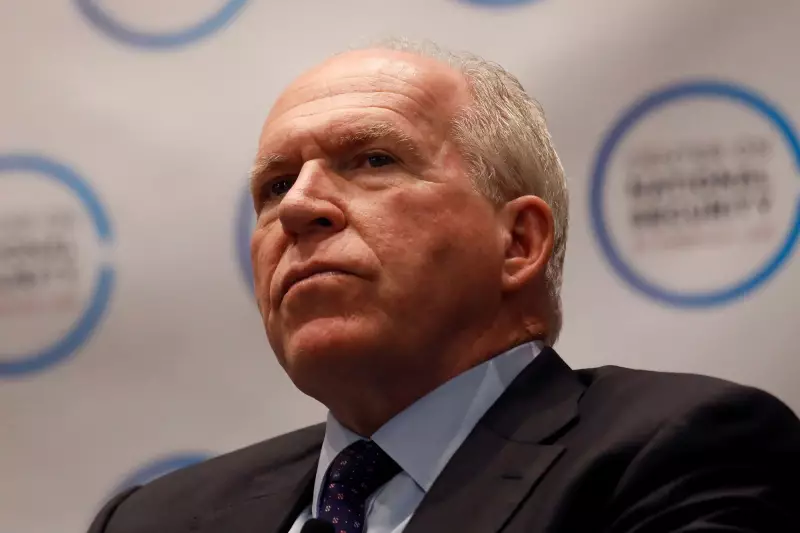
In a significant development that has ignited a political firestorm, former CIA Director John Brennan has publicly accused the United States Department of Justice of potential judicial misconduct. Brennan alleges the DOJ engaged in "judge shopping" and may have been responsible for leaking sensitive information from a grand jury proceeding.
The Core Allegations: Manipulating the Judicial Process
The serious accusations were made public on December 23, 2025. Brennan, who led the Central Intelligence Agency from 2013 to 2017, claims the Justice Department sought to manipulate the legal system by strategically filing cases in jurisdictions where they believed they would find a more favourable judge. This practice, known as judge shopping, undermines the random assignment of cases and can compromise judicial impartiality.
Furthermore, Brennan raised alarms about the possible unauthorized disclosure of details from a sealed grand jury investigation. Such leaks are a severe breach of protocol, as grand jury proceedings are meant to be confidential to protect the integrity of investigations and the reputations of individuals involved.

Context and Potential Ramifications
While the specific case or investigation at the heart of Brennan's allegations was not detailed in the initial report, the implications are far-reaching. Accusations of this nature strike at the core of the U.S. justice system's credibility. If proven, they would represent a profound abuse of power by the nation's top law enforcement agency.
The news broke amidst a wide array of other national and Canadian headlines, from political analyses to local crime reports, underscoring the competitive news cycle. However, an accusation from a figure of Brennan's stature and security background demands significant attention and likely calls for congressional or internal oversight review.
A Call for Accountability and Transparency
Brennan's public statement functions as a direct challenge to the Department of Justice's operational integrity. It places immense pressure on Attorney General Merrick Garland and other senior officials to address the claims transparently. Legal experts suggest the next steps will involve determining if there is substantive evidence to support the allegations, which could lead to formal investigations by the DOJ's own Office of Professional Responsibility or by external congressional committees.
The story highlights the ongoing tensions between intelligence community veterans and the current administration's justice department. It also raises critical questions about the safeguards in place to prevent the weaponization of legal processes for political or strategic gain.
As of the report's publication, the U.S. Justice Department had not issued an immediate public response to Brennan's specific allegations. The development is expected to fuel further debate about judicial ethics, prosecutorial discretion, and the need for robust checks and balances within the American legal framework.