Proposed Legislation Raises Privacy Alarms
A new bill currently before the House of Commons could grant Canadian law enforcement the authority to eavesdrop through the microphones of personal tech devices, including cell phones, laptops, and smart speakers. Bill C-22, a lawful access bill tabled in March, introduces a package of new powers requiring electronic service providers to give police streamlined access to subscriber information, location data, and more.
Under the bill, providers must offer all reasonable assistance to investigators seeking access to personal devices. Specifically, the bill mandates that providers permit the assessment or testing of any device or equipment that may enable an authorized person to access information. This provision has sparked concerns about potential remote activation of microphones.
Committee Hearing Highlights Concerns
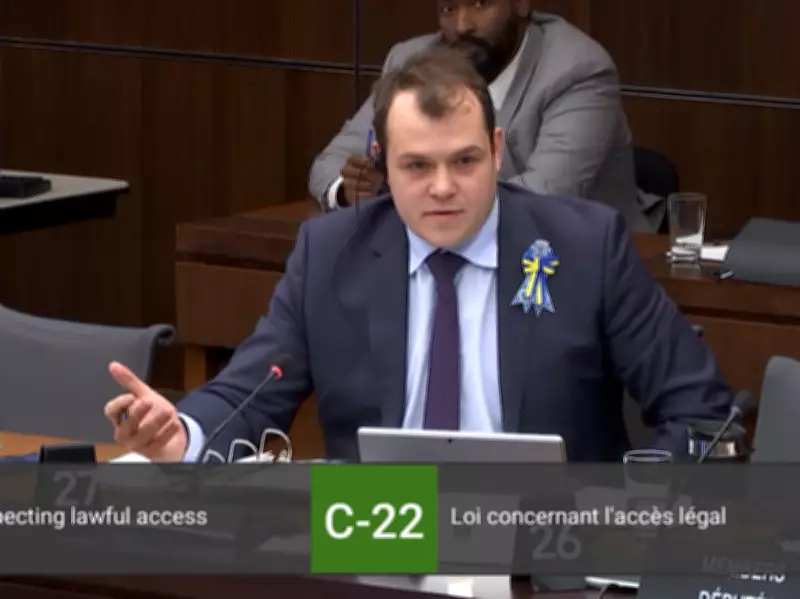
During a May 7 meeting of the Standing Committee on Public Safety and National Security, MPs discussed the implications of these powers. Conservative MP Dane Lloyd questioned Leah West, a national security law expert from Carleton University, about whether C-22 would compel companies to provide capabilities for remote microphone activation.

West confirmed that such an intercept capability is enabled by the bill's terms. She stated that an order could require that capability, as long as it does not create a systemic vulnerability. This response highlighted a potential loophole: while the bill prohibits police from examining online content like web browsing history or social media activities, it does not explicitly bar them from turning a device into a listening device.
Secrecy Provisions and Legal Framework
Adding to the controversy, the bill includes secrecy provisions that would require tech companies to deny that any such eavesdropping is taking place, even if it is. Bill C-22 operates through ministerial orders, which compel companies to hand over electronic data if a judge finds reasonable grounds to suspect the information is linked to criminal activity.
The bill explicitly states that these orders cannot be used to collect data on web browsing history, social media activities, or other content produced by the individual under investigation. However, the lack of similar restrictions on microphone access has drawn criticism from privacy advocates.
Privacy vs. Security Debate
The proposed legislation has reignited the debate over the balance between national security and individual privacy. Critics argue that allowing police to remotely activate microphones without explicit safeguards could lead to widespread surveillance abuses. Supporters, however, contend that such powers are necessary for modern law enforcement to combat serious crimes effectively.
As the bill progresses through Parliament, further scrutiny and amendments are expected. The committee discussions have already highlighted the need for clearer definitions and stricter limitations to prevent potential overreach. The outcome of Bill C-22 will likely set a precedent for digital privacy rights in Canada.