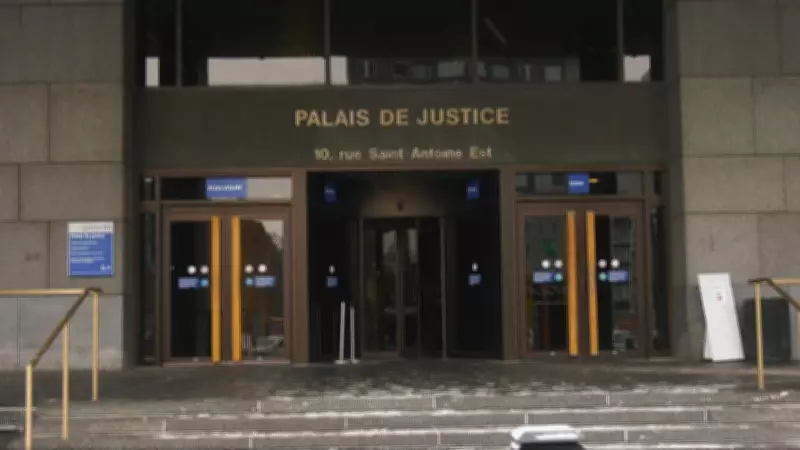
Courtroom Audio Reveals Pressure Tactics in High-Profile Manslaughter Trial
Disturbing audio recordings presented as evidence in the ongoing manslaughter trial of Serge Audette have captured a police informant aggressively pressing the accused for a confession regarding the 1996 disappearance of Patricia Ferguson. The recordings, played in open court, provide a rare glimpse into the investigative methods employed during the long-standing case that has haunted Montreal for nearly three decades.
Revelations from the Recordings
The audio evidence reveals a persistent informant attempting to extract a confession from Audette, who stands accused in connection with Ferguson's disappearance. Legal experts suggest these recordings could significantly impact the trial's outcome, potentially raising questions about the reliability of any statements obtained through such pressure tactics. The recordings have become a focal point in courtroom proceedings, with both prosecution and defense teams scrutinizing every exchange captured on tape.
Background of the Case
Patricia Ferguson vanished without a trace in 1996, leaving behind a mystery that has remained unsolved for years. The case represents one of Montreal's most enduring missing person investigations, with periodic developments keeping it in public consciousness. Serge Audette's connection to the disappearance emerged through subsequent investigations, leading to the current manslaughter charges that have brought the decades-old case back into the legal spotlight.

Legal Implications and Trial Context
The introduction of these audio recordings raises important legal questions about interrogation techniques and the admissibility of evidence obtained through informants. Canadian courts have established strict guidelines regarding confessions and the circumstances under which they're obtained, making these recordings particularly significant. The trial continues to unfold with these recordings serving as a central piece of evidence that could influence the jury's perception of events from nearly thirty years ago.
As the proceedings advance, legal observers are closely monitoring how these recordings will be interpreted within the broader context of Canadian criminal law and whether they will ultimately prove decisive in determining Audette's guilt or innocence in this long-dormant case.