The Alberta government has made a quiet but consequential decision to dismantle a key watchdog body focused on preventing deaths from domestic violence. By the close of 2025, the Family Violence Death Review Committee (FVDRC) will be dissolved, a move experts say puts vulnerable lives at risk by ending a critical source of systemic learning.
A Critical Tool for Prevention is Silenced
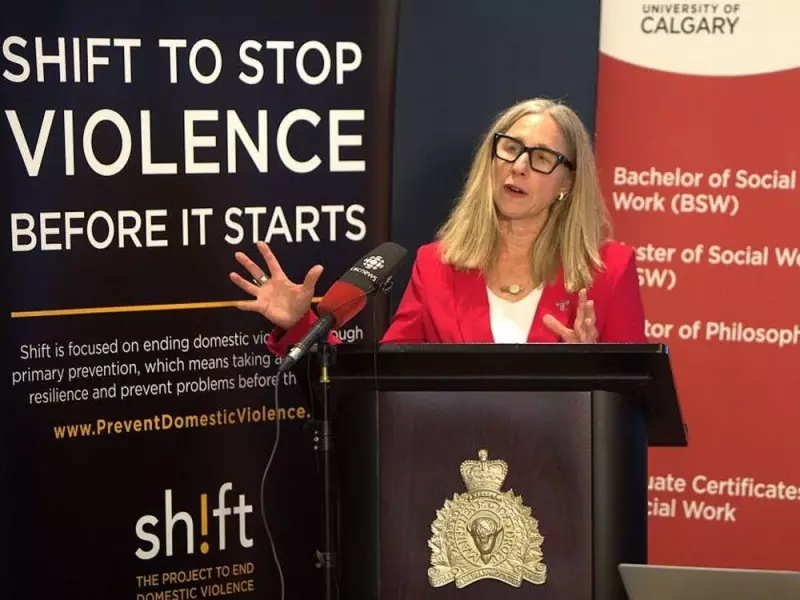
Established to independently examine fatalities linked to family violence and identify ways to prevent future tragedies, the FVDRC has operated as a provincial best-practice model. Lana Wells, the Brenda Strafford Chair in the Prevention of Domestic Violence at the University of Calgary, was part of the original policy push to create the committee between 2011 and 2013. The driving force was clear: Alberta lacked a formal, cross-sector mechanism to learn from these devastating losses.
"When a life is lost to family violence, governments have a responsibility to assess how that tragedy happened," explains Wells. The goal is not to assign individual blame but to pinpoint where interconnected systems—like policing, courts, healthcare, and social services—failed and how to fix those gaps.

A History of Unheeded Recommendations
Over its lifespan, the committee fulfilled its mandate, producing thoughtful, cross-sector recommendations annually. However, a troubling pattern of inaction emerged. In a 2024 review, Wells found that the majority of the committee's evidence-based recommendations were never implemented.
The issue was not the quality of the advice but a profound lack of accountability and dedicated resources for follow-through. From its earliest days, committee members, including Wells during her three-year tenure, raised persistent concerns about the absence of a formal mechanism to track implementation and ensure government action.
The High Cost of Losing Systemic Insight
Death review committees are widely recognized as a cornerstone of effective violence prevention. Jurisdictions like Ontario adopted such models years before Alberta, understanding that stopping future violence requires learning from past failures. These committees excel at identifying patterns across cases that no single agency can see on its own.
By ending the FVDRC, Alberta is shutting down a vital engine for translating tragedy into concrete, life-saving policy changes. For advocates and experts like Wells, the government's late-2025 decision is a step backward that ignores proven prevention strategies. It signals a retreat from the hard work of systemic reform needed to ultimately end family violence and femicide in the province.