Federal Agents Named in Fatal Minneapolis Shooting as Secrecy Sparks National Outcry
The two federal immigration agents who fired their weapons during a deadly encounter with Minneapolis protester Alex Pretti have been identified through government records as Border Patrol agent Jesus Ochoa, 43, and Customs and Border Protection officer Raymundo Gutierrez, 35. This revelation comes despite ongoing efforts by federal agencies to withhold their identities from the public, igniting widespread protests and calls for accountability.
Operation Metro Surge and the Deadly Incident
Both Ochoa and Gutierrez were assigned to Operation Metro Surge, an aggressive immigration enforcement initiative launched in December that deployed numerous armed and masked agents across Minneapolis. The shooting occurred on January 24, when Pretti, a 37-year-old intensive care unit nurse at a Department of Veterans Affairs hospital, was killed during a confrontation with federal personnel.
Customs and Border Protection, which employs both men, has refused to release their names publicly and has disclosed minimal information about the incident. This lack of transparency has drawn sharp criticism from lawmakers and civil rights advocates, particularly as it follows another fatal shooting by an immigration agent in Minneapolis just days earlier, which claimed the life of 37-year-old mother of three Renee Good.

Political Fallout and Investigation Demands
The secrecy surrounding the agents' identities has become a focal point in the national debate over President Donald Trump's immigration crackdown. Democratic and Republican lawmakers alike have demanded transparent investigations into Pretti's death.
"We must have a transparent, independent investigation into the Minnesota shooting, and those responsible—no matter their title—must be held accountable," Republican Senator John Curtis of Utah declared in a social media post.
The Department of Homeland Security acknowledged to Congress that two agents fired Glock pistols during the altercation but omitted their names from the notification. Following a week of protests and political pressure, the Justice Department announced that its Civil Rights Division would investigate the shooting, though questions remain about evidence sharing between agencies.
Agent Backgrounds and Operational Context
Records indicate that Jesus Ochoa, who goes by Jesse, joined CBP in 2018 after graduating from the University of Texas-Pan American with a criminal justice degree. According to his ex-wife Angelica Ochoa, he had long aspired to work for Border Patrol and had become a gun enthusiast with approximately 25 firearms by the time of their 2021 separation.
Raymundo Gutierrez joined CBP in 2014 and serves in the Office of Field Operations, where he is assigned to a special response team that conducts high-risk operations similar to police SWAT units. Both agents hail from South Texas, adding regional context to their deployment in Minnesota.
Contradictory Accounts and Video Evidence
Official accounts of the incident conflict with video evidence circulating online. Federal officials, including former Border Patrol commander Gregory Bovino and DHS Secretary Kristi Noem, claimed Pretti attacked agents, with Bovino stating agents fired "defensive shots" after Pretti violently resisted disarmament.
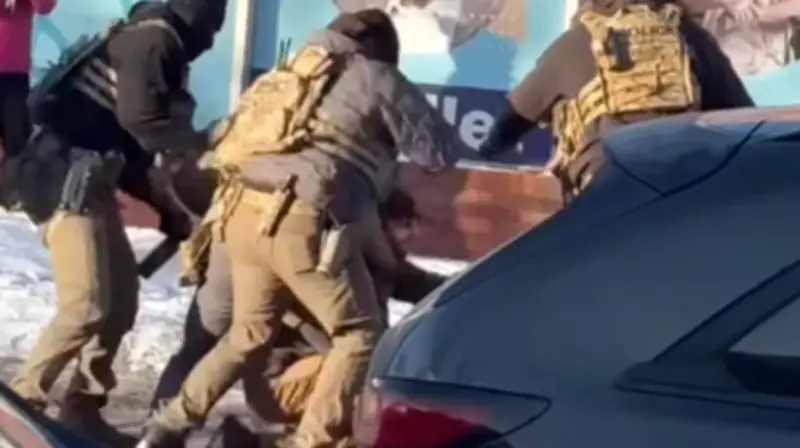
However, bystander videos tell a different story. Footage shows Pretti documenting federal agents' movements with his phone before intervening when a masked agent knocked a woman to the ground. After Pretti positioned himself between them, an officer deployed pepper spray, leading to a struggle where approximately ten shots were fired.
While Pretti was legally armed with a handgun, some video analyses suggest an agent may have removed the weapon from his hip before shooting began. The agents' masks and chaotic scene make individual identification difficult in the footage.
Broader Implications for Law Enforcement Transparency
The incident has highlighted significant concerns about federal immigration enforcement practices, particularly the use of masked agents—a practice virtually unheard of in traditional law enforcement—which prevents public identification and accountability.

"They should not be anonymous. They should be identifiable," asserted Maryland Representative Jamie Raskin, the top Democrat on the House Judiciary Committee. "And they have to have rules of engagement that don't allow them to terrorize and intimidate, harass and assault U.S. citizens and other people."
Former CBP commissioner Gil Kerlikowske noted that while chaotic videos complicate conclusions, the shooting might have been preventable with better de-escalation tactics. "Rather than move immediately to pepper spray, you can arrest the person," he observed, criticizing a pattern of federal officers escalating to force unnecessarily.
Aftermath and Ongoing Investigations
In the shooting's aftermath, Gregory Bovino was removed from his role as Border Patrol commander at large and reassigned to California. Meanwhile, Minnesota Governor Tim Walz has promised a state-level criminal investigation, though officials complain federal counterparts have blocked their access to evidence.
House Judiciary Committee Democrats have accused the Justice Department of covering up evidence in both Pretti's and Good's killings, alleging interference with state investigations. As protests continue in Minneapolis and other cities, the case underscores deepening tensions between federal immigration enforcement and community trust.