Iranian-Canadian Activist Confronts Criminal Charges Over Controversial Social Media Statements
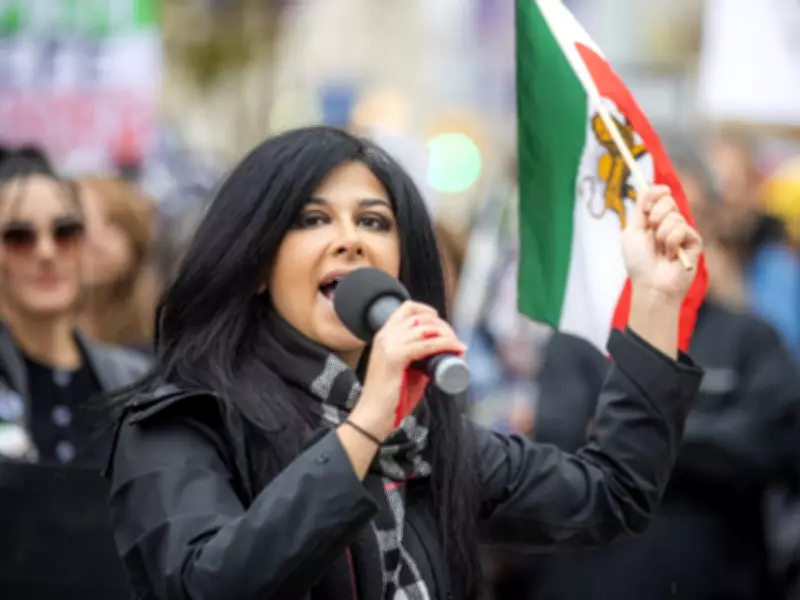
Goldie Ghamari, a prominent Iranian-Canadian activist and former Member of the Legislative Assembly in Ontario, has been formally warned by Ottawa Police about potential criminal charges stemming from her social media activity. The controversy centers on posts where Ghamari advocated for the destruction of mosques in Iran, describing them as "hubs of terrorism."
Police Intervention and Legal Threats
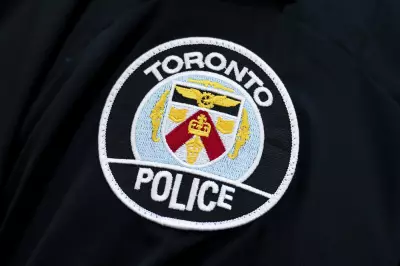
According to official statements, Ottawa Police contacted Ghamari regarding her posts on the platform X, formerly known as Twitter. The police informed her that if she did not remove the contentious content, she would face charges under Section 319 of the Criminal Code of Canada. This section specifically addresses "public incitement of hatred" and "wilful promotion of hatred," offenses that can carry prison sentences of up to two years upon conviction.
Ghamari complied with the police directive and deleted the posts in question. However, she subsequently shared details of the interaction on social media, including a video that purportedly shows an Islamic Revolutionary Guard Corps rally taking place inside a mosque. This action has sparked broader discussions about free speech, hate speech legislation, and the boundaries of political expression in Canada.

Background and Activist Profile
Goldie Ghamari immigrated to Canada from Iran as a child and has since become a vocal critic of the Iranian regime. In recent months, amid widespread protests and military conflicts in Iran, she has emerged as a leading English-speaking opponent of the government. Her influence extends through various media channels, including a YouTube channel dedicated to Iranian affairs with over 200,000 subscribers, and regular appearances on U.S. cable news programs and online shows like Piers Morgan Uncensored.
Ghamari's activism has not been without personal risk. Following one of her media appearances, she received an assassination threat from a group identifying as the "Handala Hack team," who claimed allegiance to Iran's Supreme Leader Ali Hosseini Khamenei. The threat included a $250,000 bounty allegedly to be carried out by operatives of the Jalisco New Generation Cartel, a Mexican drug cartel designated as a terrorist entity by the Canadian government last year.
Legal and Social Implications
The case raises important questions about the application of Canada's hate speech laws in the context of international conflicts and diaspora activism. While the police intervention highlights the legal limits on incitement to violence, it also touches on issues of cultural sensitivity and the protection of religious institutions. The incident occurs against a backdrop of heightened tensions between Iran and Western nations, including recent military actions involving the U.S. and Israel.
As the situation develops, observers are closely watching how Canadian authorities balance national security concerns with the rights of individuals to express political opinions, particularly those critical of foreign governments. The outcome may set precedents for how similar cases are handled in the future, affecting activists, policymakers, and legal experts alike.