British Columbia Man Sentenced to Eight Years for 3D-Printed Firearms Operation
A 33-year-old man from Aldergrove, British Columbia, has been handed an eight-year prison sentence after being convicted on multiple charges related to the manufacturing of firearms using a 3D printer. The case, which has drawn significant attention from law enforcement and legal experts, underscores the emerging challenges posed by homemade weapons in Canada.
Details of the Case and Charges
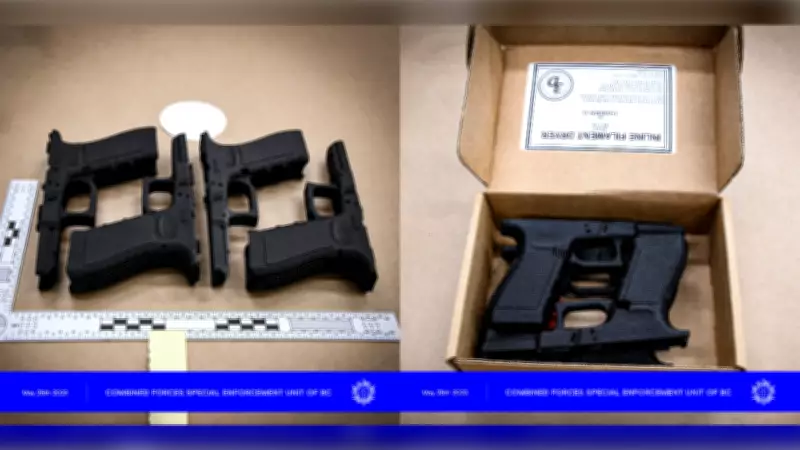
The individual faced a combination of drug and firearms charges, with the province's anti-gang police unit, the Combined Forces Special Enforcement Unit of British Columbia (CFSEU-BC), alleging his direct involvement in the production of 3D-printed guns. This sentencing marks a notable outcome in efforts to combat illegal firearm manufacturing, particularly as technology like 3D printing becomes more accessible.
The investigation revealed that the man was utilizing advanced printing techniques to create functional firearms, which authorities say pose a serious threat to public safety due to their potential to evade traditional detection methods. The case highlights the increasing intersection of technology and crime, prompting calls for stricter regulations and enhanced monitoring of 3D printing activities.

Broader Implications for Law Enforcement
This incident is part of a larger trend across Canada, where law enforcement agencies are grappling with the rise of homemade firearms. The CFSEU-BC has emphasized that such operations are often linked to organized crime and gang activities, making them a priority for anti-gang units. The eight-year sentence serves as a deterrent, signaling that courts are taking these offenses seriously.
Experts note that 3D-printed guns can be produced with relative ease and at low cost, raising concerns about their proliferation. This case has sparked discussions on the need for updated legislation to address the unique risks associated with digitally manufactured weapons, including potential loopholes in current firearm laws.
Community and Legal Response
In response to the sentencing, community leaders in Aldergrove and surrounding areas have expressed relief, but also called for ongoing vigilance. The case has prompted local authorities to increase awareness about the dangers of illegal firearm manufacturing and to encourage reporting of suspicious activities.
From a legal perspective, this ruling sets a precedent for future cases involving 3D-printed firearms in Canada. It underscores the judiciary's willingness to impose substantial penalties for crimes that compromise public security, especially when advanced technology is involved.
As technology continues to evolve, this case serves as a stark reminder of the ongoing battle against innovative criminal methods. The eight-year prison term not only holds the individual accountable but also aims to curb the spread of homemade weapons, protecting communities across British Columbia and beyond.