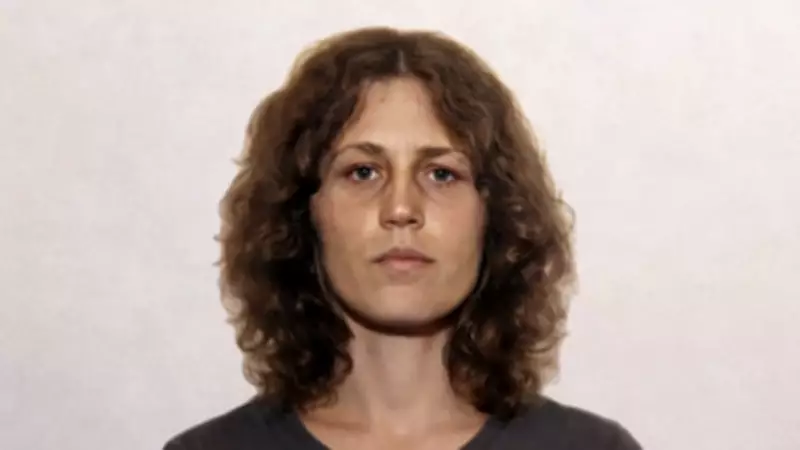
A Decades-Old Mystery Partially Solved Through Advanced DNA Technology
In a significant breakthrough for a cold case spanning nearly four decades, a Canadian woman who vanished in 1985 has been posthumously identified. Jeanette Marcotte, whose disappearance had long confounded authorities, has been connected to skeletal remains discovered in Florida during the same year she went missing. The identification was made possible by U.S.-based DNA firm Othram, which specializes in forensic genetic genealogy, bringing a measure of closure to a case that has lingered unanswered for 41 years.
Linking a Canadian Disappearance to a Florida Crime Scene
The remains, found in Florida in 1985, had remained unidentified until Othram's recent analysis. This development not only puts a name to the victim but also opens new investigative avenues, as authorities now suspect Marcotte may have been a victim of a serial murderer operating in Florida at the time. The cross-border nature of the case highlights the challenges historically faced in connecting missing persons reports from one jurisdiction with unidentified remains found in another, especially before the advent of modern forensic databases and international cooperation protocols.
The Role of Cutting-Edge Forensic Science
Othram's successful identification underscores the transformative power of contemporary DNA technology in solving historical cases. The firm utilized advanced genetic sequencing techniques to extract viable DNA from the decades-old skeletal remains, which was then compared to genetic databases and genealogical records. This process, known as forensic genetic genealogy, has revolutionized cold case investigations across North America, providing answers where traditional methods had reached dead ends. The identification of Marcotte represents a poignant example of how science can serve justice long after conventional trails have gone cold.

Implications for Ongoing Investigations and Families
While the identification provides crucial information, it also raises new questions about the circumstances surrounding Marcotte's death and her potential connection to other unsolved cases. Law enforcement agencies in both Canada and the United States are likely to re-examine evidence in light of this development. For families of missing persons, this case offers a glimmer of hope, demonstrating that even after many years, advancements in technology can yield answers. It also emphasizes the importance of preserving biological evidence and maintaining detailed missing persons records, as today's scientific limitations may become tomorrow's solutions.
The revelation that a Canadian missing for over four decades has been identified as a potential victim in a Florida serial murder case marks a somber yet significant milestone in forensic investigation. It bridges a gap between two countries and two eras, proving that persistence and innovation can eventually pierce the veil of time.