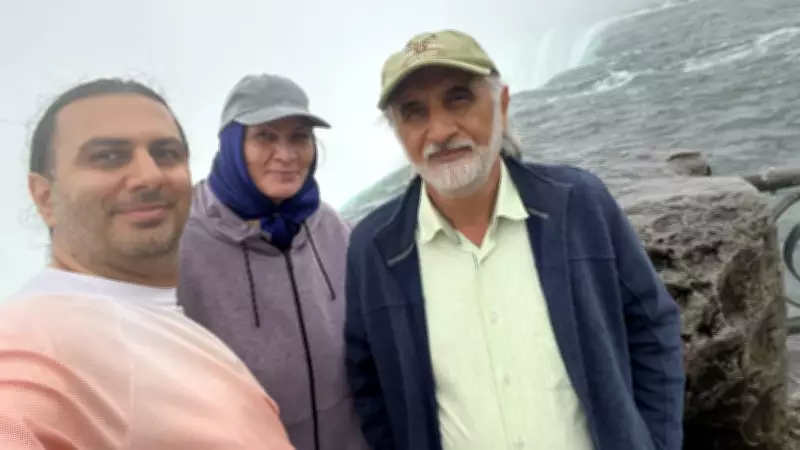
In Northern Ontario, members of Sudbury's Iranian community are offering a stark perspective on the escalating conflict in the Middle East. For two local residents with family still in Iran, recent military strikes by the United States and Israel are not acts of war but rather what they term "a rescue mission" against a regime they hold responsible for the deaths of thousands.
Local Voices Frame International Action
The individuals, who have chosen to remain anonymous due to safety concerns for relatives abroad, articulated a view that contrasts sharply with official diplomatic narratives. They perceive the aerial strikes as a necessary intervention aimed at destabilizing a government they describe as oppressive and violent. "It's about saving lives, not taking them," one resident explained, emphasizing that the regime's actions have created a humanitarian crisis requiring external response.
Context of a Widening Conflict
This local reaction comes amid broader geopolitical tensions that have seen oil prices surge and global markets tumble over fears of a widening war. The Strait of Hormuz, a critical chokepoint for oil shipments, remains a focal point of international anxiety. Meanwhile, Canadian Prime Minister Carney has expressed support for the U.S.-Israel strikes "with regret," acknowledging the complex diplomatic landscape.

The conflict's ripple effects are felt even in domestic Canadian affairs. Saskatchewan drivers are bracing for higher gas prices linked to the Middle East instability, illustrating how global events directly impact local economies. In Sudbury, the personal connections make the issue particularly visceral for the Iranian diaspora.
A Community's Emotional Burden
For Sudbury's Iranian families, watching events unfold from thousands of kilometers away involves a mixture of fear, hope, and frustration. They monitor news reports and communicate with loved ones through precarious digital channels, always aware of the risks their relatives face. The description of the strikes as a "rescue mission" reflects a desperate hope for change rather than an endorsement of violence.
This perspective adds a human dimension to the abstract statistics of conflict, reminding us that international policies have profound personal consequences. As debates continue in Ottawa and world capitals about the appropriate response to Iran's actions, the voices of diaspora communities like Sudbury's offer crucial ground-level insights into the human cost of geopolitical decisions.