In a significant shift in policy discourse, a new philosophy of "abundance" is gaining traction, advocating for a massive acceleration of development by sweeping away regulatory hurdles. However, critics warn this approach dangerously overlooks critical environmental and social foundations for sustainable growth.
The 'Building-First' Philosophy in Action
The recent Canada-Alberta memorandum of understanding (MOU) to expand oil exports is cited as a prime example of this emerging mindset. Signed in late 2025, the accord frames environmental risks and Indigenous rights as barriers to be overcome rather than integral considerations for project planning and success.
This approach mirrors the arguments in the influential book Abundance by Ezra Klein and Derek Thompson. The authors, who identify as progressives, contend that society's core problem in the 2020s is building too little, paralyzed by complex processes. They contrast this with the 1970s, which they characterize as a period of heedless over-construction.

Indigenous Stewardship and Global Values at Stake
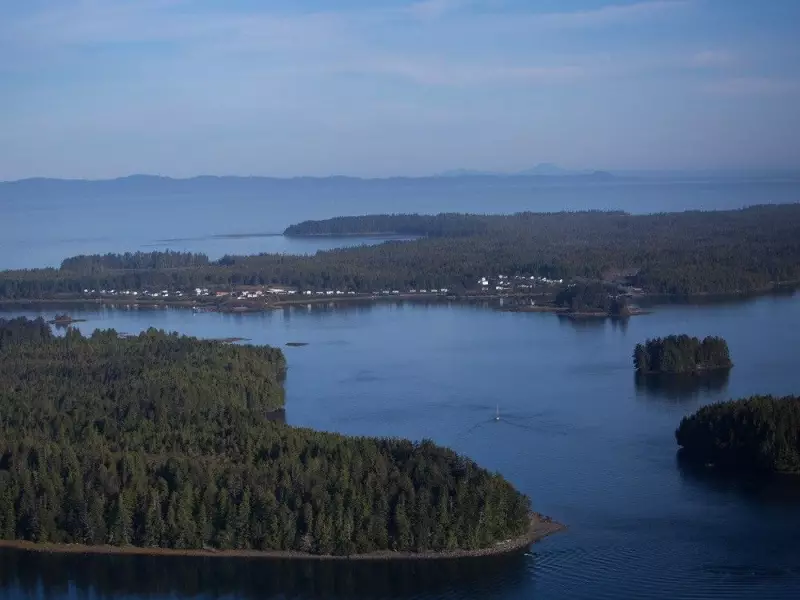
The debate is particularly acute for projects labeled as "nation-building" that are planned for ecologically and culturally sensitive regions. Coastal British Columbia is highlighted as a critical example, where Indigenous Nations hold constitutionally protected rights and are leaders in conservation-based economies.
These communities steward landscapes of global ecological importance, containing significant biodiversity and massive carbon stores. The "building-first" philosophy, which often uses a metaphorical flamethrower to environmental safeguards, risks these irreplaceable assets for short-term gains.
Integrated Success vs. Regulatory Simplification
The central argument against simply stripping away so-called red tape is that true, lasting abundance requires a more nuanced foundation. The real barrier to successful development is not regulation itself, but a failure to integrate financial, social, and environmental conditions from the very beginning of a project.
Klein and Thompson urge a recovery of the state's role as a confident builder and enabler. Yet, opponents stress that enabling must mean creating frameworks for integrated success, not just fast-tracking extraction. They argue that the patchwork of environmental and social policies, often lamented as an "impenetrable thicket," was built for sensible, long-term public interest reasons.
The path forward, therefore, is not to abandon the careful weighing of long-term consequences but to evolve it. The challenge for Canada is to innovate in ways that genuinely build prosperity while respecting the rights of Indigenous peoples and protecting the ecological systems upon which all economic activity ultimately depends.