Federal-Musqueam Agreement Stirs Property Rights Debate in British Columbia
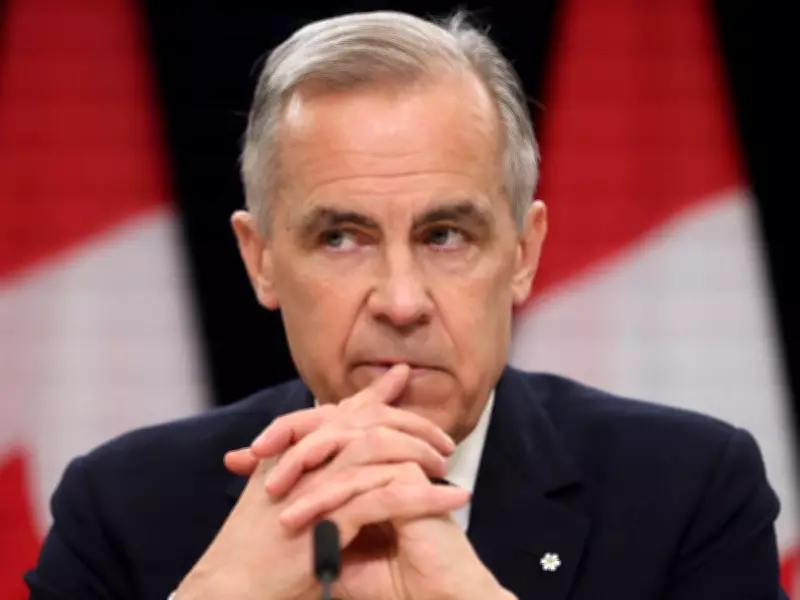
Recent revelations about a bilateral agreement between the federal government and the Musqueam First Nation have sparked significant concern among British Columbians regarding property rights and potential financial implications. The agreement, signed by the Carney administration, acknowledges Musqueam rights and title within a substantial territory covering most of Metro Vancouver.
Precedent Set by Haida Gwaii Declaration
This development follows a similar pattern established on Haida Gwaii, where the federal government, with support from the David Eby administration in British Columbia, declared and pursued legal recognition of Aboriginal title across the entire archipelago. That declaration encompassed approximately one million hectares of land, representing the complete traditional territory claimed by the Haida Nation.
This approach contrasts sharply with previous court decisions, most notably the Tsilhqotʼin Nation v British Columbia case, where the Supreme Court granted Aboriginal title to less than five percent of the band's traditional territory in central British Columbia. The Haida Gwaii precedent of seeking title over 100 percent of claimed territory represents a significant departure from established legal norms.

UNDRIP Principles as Foundation
The Musqueam agreement repeatedly references the United Nations Declaration on the Rights of Indigenous Peoples (UNDRIP) as its guiding framework. The document explicitly states that the agreement intends to contribute to UNDRIP implementation and recognizes its principles as minimum standards for Indigenous peoples' survival and dignity.
Particular attention has focused on Article 26 of UNDRIP, which asserts Indigenous peoples' rights to own, use, develop, and control lands, territories, and resources they possess through traditional ownership or occupation. When combined with the Musqueam agreement's acknowledgment of rights within Metro Vancouver, this creates potential scenarios where compensation claims could theoretically extend to all properties in the Lower Mainland region.
Financial Implications and Public Reaction
The potential financial consequences are staggering. With Metro Vancouver property values estimated at approximately $1.9 trillion, the theoretical compensation framework raises serious questions about governmental capacity and fiscal responsibility. No government possesses resources of this magnitude, yet the agreement's language creates uncertainty about future obligations.
British Columbians have responded with passionate concern, particularly regarding their most significant asset—their homes. While Wade Grant, MP for Vancouver Quadra and Musqueam Nation member, has emphasized that the agreement does not infringe on private property rights or alter land ownership, critics argue this technical distinction overlooks potential compensation mechanisms that could still impact homeowners financially.
Broader Implications for Property Rights
The agreement's vague language about "negotiating" Aboriginal title outside traditional treaty contexts has amplified anxieties. Property owners across British Columbia question whether they can trust federal negotiations to protect their interests adequately. The situation highlights tensions between Indigenous rights recognition and established property rights systems, creating complex legal and social challenges that will require careful navigation in coming years.
As this agreement moves forward, British Columbians remain vigilant about potential impacts on their property values and legal rights, demonstrating that land issues continue to represent some of the most sensitive and consequential matters in provincial-federal-Indigenous relations.