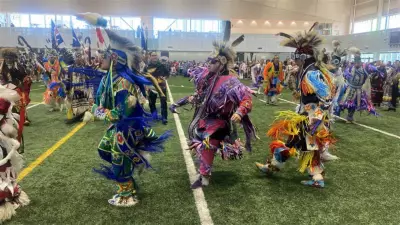
Hundreds of people gathered in Halifax on Thursday for the annual Moose Hide Campaign march, a grassroots movement dedicated to ending gender-based violence. The event, which began at the Halifax Central Library, saw participants walk through downtown streets carrying signs and wearing moose hide pins to symbolize their commitment.
Campaign Origins and Significance
The Moose Hide Campaign originated in British Columbia in 2011 and has since spread across Canada. It encourages men and boys to stand up against violence towards women and children, particularly Indigenous women and girls. The campaign's name reflects the traditional use of moose hide in Indigenous cultures for healing and protection.
Halifax Event Highlights
Thursday's march featured speeches from community leaders, survivors, and advocates. Participants observed a moment of silence for victims of gender-based violence. The event also included a ceremonial fast, where some attendees abstained from food or drink to show solidarity. Organizers emphasized the importance of allyship and called for systemic changes to address root causes of violence.

- Over 500 participants joined the march, according to organizers.
- Local Indigenous elders led a smudging ceremony to start the event.
- Participants wore moose hide pins and carried purple ribbons to symbolize the cause.
Broader Context in Nova Scotia
The march comes amid ongoing efforts in Nova Scotia to combat gender-based violence. The province has seen increased funding for shelters and support services, but advocates say more work is needed. The Moose Hide Campaign aligns with the National Inquiry into Missing and Murdered Indigenous Women and Girls' calls for justice.
Event coordinator Sarah Mitchell stated, "This is about creating a culture where violence is not tolerated. We need everyone, especially men, to take responsibility." The campaign also offers educational resources for schools and workplaces.