In a significant humanitarian effort, volunteers in Mexico have been actively loading boats with essential supplies and aid, aiming to provide relief to Cuba as the island nation faces a severe energy crisis. This initiative highlights the ongoing struggles within Cuba's infrastructure and the international support emerging to address critical shortages.
Addressing Cuba's Energy Shortages
The energy crisis in Cuba has led to widespread power outages, affecting daily life, healthcare, and economic activities. With limited domestic energy production and reliance on imports, Cuba has been vulnerable to fluctuations in global markets and geopolitical tensions. The aid from Mexican volunteers includes items such as food, medical supplies, and possibly energy-related equipment, though specific details on the cargo remain under wraps to ensure smooth logistics.
Volunteer Efforts and Logistics
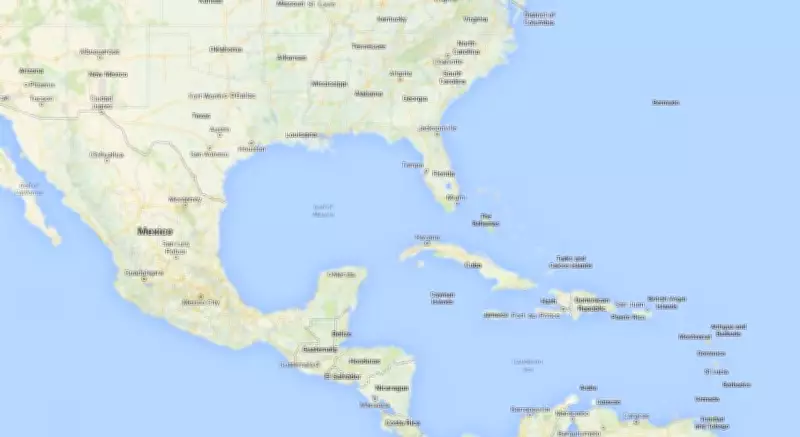
Organized by local groups and non-profits, the volunteer operation involves meticulous planning to transport the aid across the Gulf of Mexico. Boats are being loaded at ports along Mexico's coast, with volunteers working tirelessly to secure and pack donations. This effort underscores the grassroots response to international crises, driven by community solidarity rather than governmental mandates.

Challenges in Delivery: Navigating maritime routes and ensuring the aid reaches intended recipients without interference pose logistical hurdles. However, volunteers remain optimistic, citing previous successful missions to other Caribbean nations.
Broader Context of Cuba's Economic Strain
Cuba's energy woes are part of a larger economic downturn exacerbated by sanctions, the pandemic, and internal policy issues. The country has seen protests and growing discontent over living conditions, making external aid crucial for stabilizing basic services. While the Mexican aid is a drop in the bucket compared to Cuba's needs, it symbolizes a lifeline from neighboring countries.
International Reactions and Support
This volunteer-led initiative has garnered attention from humanitarian organizations, though it operates independently of formal diplomatic channels. It reflects a growing trend of civil society stepping in where governmental aid may be slow or politically constrained. Other nations in the region have expressed solidarity, but concrete actions remain limited.
Impact on Cuban Communities: If delivered effectively, the aid could alleviate some immediate hardships, particularly in remote areas hardest hit by power cuts. However, long-term solutions require systemic changes in Cuba's energy policies and international cooperation.
Future Prospects and Volunteer Sustainability
The success of this mission could inspire similar efforts, but volunteers face challenges like funding and regulatory compliance. Sustaining such initiatives depends on continued public support and collaboration with larger aid agencies. As Cuba's crisis persists, the role of grassroots movements in providing humanitarian relief may become increasingly vital.
In summary, Mexican volunteers are demonstrating commendable solidarity by loading aid boats for Cuba, offering a glimmer of hope amid the island's energy struggles. This story underscores the power of community action in addressing global challenges, even as it calls attention to the urgent need for broader solutions to Cuba's ongoing crisis.