King Charles Extends Historic Invitation to Saskatchewan Chiefs Ahead of Treaty 6 Milestone
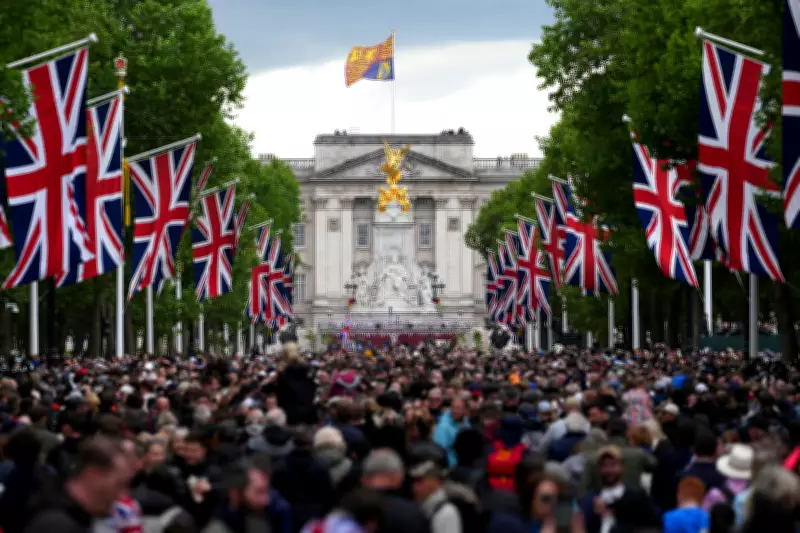
In a move underscoring the Crown's commitment to reconciliation, King Charles III has formally invited chiefs from Saskatchewan First Nations to Buckingham Palace. This unprecedented gathering is scheduled to take place in the lead-up to the 150th anniversary of Treaty 6, a pivotal agreement signed in 1876 between the Crown and First Nations in central Saskatchewan and Alberta.
A Symbolic Gesture Amidst Ongoing Reconciliation
The invitation represents a significant diplomatic overture from the British monarchy, directly engaging with Indigenous leadership on Canadian soil. Buckingham Palace has confirmed the meeting, which aims to foster dialogue and acknowledge the historical and contemporary significance of Treaty relationships. This initiative aligns with broader national and international efforts to address colonial legacies and strengthen partnerships with Indigenous communities.
The timing is particularly poignant, as 2026 marks the sesquicentennial of Treaty 6. This treaty guaranteed various rights, including healthcare, education, and reserve lands, to the Cree, Assiniboine, and Ojibwe peoples. However, its implementation has been fraught with challenges and disputes over unfulfilled promises, making this royal engagement a potentially transformative moment for Crown-Indigenous relations.

Context and Implications for Indigenous Affairs
This invitation follows a period of increased royal involvement in Indigenous issues. King Charles has previously expressed support for reconciliation during his visits to Canada, and this meeting signals a deeper, more structured engagement. Chiefs from Treaty 6 territories are expected to discuss key issues such as land rights, resource sharing, and the preservation of cultural heritage, leveraging the international platform to highlight ongoing concerns.
The gathering at Buckingham Palace is not merely ceremonial; it is anticipated to facilitate substantive conversations that could influence policy and public perception. By hosting Indigenous leaders in a setting of global prominence, the monarchy aims to elevate the discourse on treaty obligations and Indigenous sovereignty, potentially setting a precedent for future interactions between the Crown and First Nations across Canada.
Broader Impact on Canadian and International Relations
This event holds implications beyond bilateral relations, touching on themes of constitutional monarchy, Indigenous self-determination, and global Indigenous rights movements. It occurs against a backdrop of similar initiatives worldwide, where former colonial powers are reassessing their historical relationships with Indigenous peoples. The outcomes of this meeting could inform similar efforts in other Commonwealth realms and contribute to a more nuanced understanding of treaty partnerships in the 21st century.
As preparations unfold, stakeholders from Saskatchewan to London are watching closely, hopeful that this dialogue will pave the way for renewed commitment to the principles enshrined in Treaty 6. The invitation from King Charles thus stands as a landmark moment in the ongoing journey toward reconciliation, blending historical acknowledgment with forward-looking diplomacy.