Inuit Leader Raises Alarm Over Potential Threats to Canadian Arctic Sovereignty
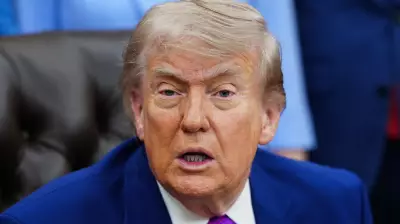
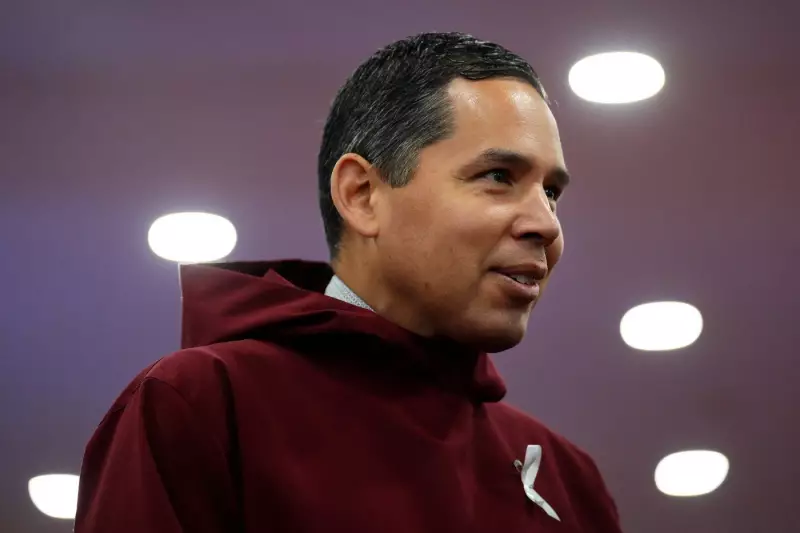
National Inuit Leader Angajuqqaaq Natan Obed has voiced significant apprehension regarding the security and sovereignty of Inuit homelands in Canada's Arctic regions. This concern emerges in the wake of renewed geopolitical attention on the Arctic, particularly following former United States President Donald Trump's expressed interest in acquiring Greenland. Obed's warnings highlight a growing fear that Canada's northern territories could become the next focal point in international territorial disputes, as global powers increasingly eye the resource-rich and strategically vital Arctic.
Historical Context and Current Geopolitical Tensions
The Arctic has long been a region of immense strategic importance, not only for its vast natural resources but also for its critical shipping routes that are becoming more accessible due to climate change. In recent years, nations including Russia, China, and the United States have intensified their activities and claims in the area. Trump's public musings about purchasing Greenland, while not a new idea in American political discourse, have reignited debates about sovereignty and control over Arctic territories. For Inuit communities, who have inhabited these lands for millennia, such discussions are not merely academic; they directly impact their rights, livelihoods, and self-determination.
Obed, representing the Inuit Tapiriit Kanatami, emphasized that any external threats to Arctic sovereignty could undermine the hard-won land claims and self-government agreements that Inuit have secured through decades of negotiation. These agreements are foundational to Inuit economic development, cultural preservation, and environmental stewardship in the face of rapid climate change and industrial expansion.

Canada's Arctic Foreign Policy and Inuit Leadership
In December 2024, Obed participated in the launch of Canada's Arctic Foreign Policy at Global Affairs Canada headquarters in Ottawa, underscoring the Inuit role in shaping national strategies. This policy aims to assert Canadian sovereignty while promoting international cooperation, sustainable development, and the inclusion of Indigenous perspectives. However, Obed's recent statements suggest that these efforts may be insufficient if powerful nations like the United States pursue aggressive territorial ambitions.
The Inuit leader called for strengthened diplomatic and defense measures to protect Canada's Arctic interests, advocating for increased investment in northern infrastructure, surveillance capabilities, and community resilience. He also stressed the importance of upholding the United Nations Declaration on the Rights of Indigenous Peoples, which recognizes Indigenous peoples' rights to their traditional lands and resources.
Broader Implications for National Security and Indigenous Rights
The potential for conflict in the Arctic extends beyond mere land grabs; it involves complex issues of national security, environmental protection, and human rights. As ice melts and new shipping lanes open, the risk of militarization and resource exploitation grows. Obed warned that without proactive and inclusive governance, Inuit communities could face displacement, cultural erosion, and loss of autonomy.
This situation is further complicated by domestic challenges, such as the ongoing effects of climate change, which disproportionately impact northern regions with extreme weather events and ecological shifts. The intersection of these environmental and geopolitical pressures creates a precarious scenario for Arctic inhabitants.
In response, Obed urged the Canadian government to engage in more robust international dialogue, ensuring that Inuit voices are central to any discussions about the Arctic's future. He highlighted the need for treaties and agreements that respect Indigenous sovereignty and prioritize sustainable development over short-term economic gains.

Looking Ahead: A Call for Vigilance and Collaboration
As global attention on the Arctic intensifies, the warnings from Inuit leaders like Angajuqqaaq Natan Obed serve as a crucial reminder of the stakes involved. Protecting Canada's Arctic sovereignty is not only a matter of national interest but also a commitment to justice and partnership with Indigenous peoples. The coming years will likely see increased diplomatic maneuvering and potential conflicts, making it imperative for Canada to fortify its northern policies in collaboration with Inuit communities.
Ultimately, the fate of the Arctic will depend on whether nations can balance strategic interests with ethical responsibilities, ensuring that the region's original inhabitants are not marginalized in the pursuit of power and resources. Obed's message is clear: vigilance and solidarity are essential to safeguarding the homeland that Inuit have cherished for generations.