Indigenous communities across British Columbia are steeling themselves for a fresh confrontation, as a new pipeline project threatens to reignite long-standing battles over land, sovereignty, and environmental protection. This looming conflict draws in generations of leaders who have fought similar infrastructure proposals for decades.
A History of Resistance Meets a New Challenge
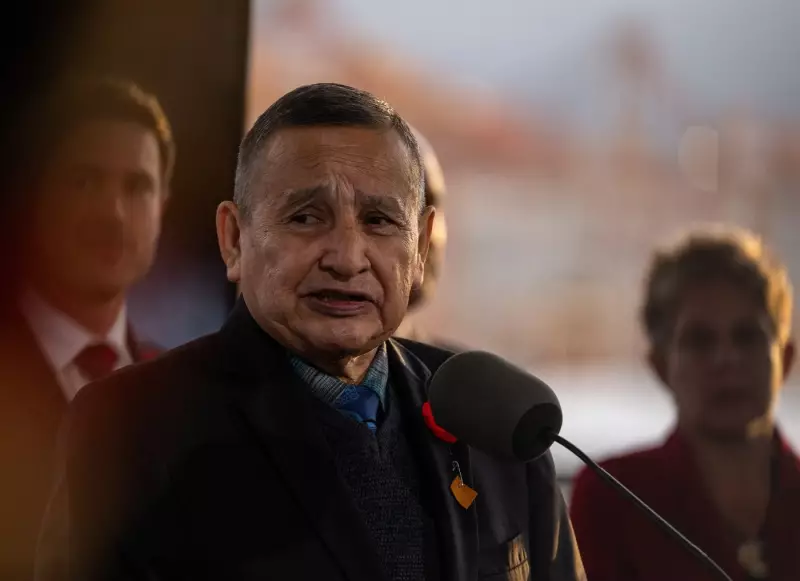
The announcement of another proposed pipeline has triggered immediate mobilization among First Nations. At the forefront is Grand Chief Stewart Phillip, President of the Union of British Columbia Indian Chiefs, a veteran figure whose resolve was recently showcased during a funding announcement for Indigenous-led conservation in November 2023. His presence symbolizes the continuity of a struggle that spans generations, where elder knowledge and youthful activism converge.
While specific details of the latest pipeline proposal are still emerging, the pattern is familiar to communities who have opposed projects like the Trans Mountain expansion. The core issues remain unchanged: the protection of unceded traditional territories, the safeguarding of watersheds and ecosystems from potential contamination, and the assertion of Indigenous rights and title as recognized by Canadian law and the United Nations Declaration on the Rights of Indigenous Peoples (UNDRIP).

The Stakes for Land and Future Generations
For many Indigenous leaders, this is not merely a political or economic dispute; it is a fundamental responsibility to the land and to future generations. The potential environmental risks associated with pipeline leaks or ruptures pose a direct threat to culturally significant sites, wildlife, and food sources that communities have relied upon for millennia.
The opposition is expected to employ a multi-faceted strategy, combining legal challenges based on the duty to consult and accommodate, direct peaceful actions and demonstrations, and sustained public advocacy to highlight the climate and ecological impacts. This new battle arrives at a time when public awareness of environmental issues and reconciliation is heightened, potentially shaping a different landscape for the conflict.
Broader Context of Indigenous-Led Conservation
The timing is particularly poignant given the growing momentum behind Indigenous-led conservation efforts in B.C., as highlighted at the 2023 gathering where Grand Chief Phillip spoke. Many communities see a direct contradiction between government support for their conservation initiatives and the simultaneous advancement of fossil fuel infrastructure that degrades the same landscapes they are working to protect. This pipeline battle is thus seen as a critical test of governmental commitments to both environmental stewardship and genuine partnership with First Nations.
As preparations for the coming fight intensify, a coalition of elders, seasoned activists, and a new wave of Indigenous youth are linking arms. Their shared goal is to defend their homelands, asserting that true economic prosperity and environmental sustainability cannot be built without their full and informed consent. The outcome of this new pipeline conflict will have profound implications for the future of resource development and Indigenous rights in Canada.