Canada's proposed new legislation aimed at ensuring clean drinking water in First Nations communities will not explicitly guarantee protection for the sources of that water, according to the federal minister responsible.
Minister Clarifies Scope of Proposed Legislation
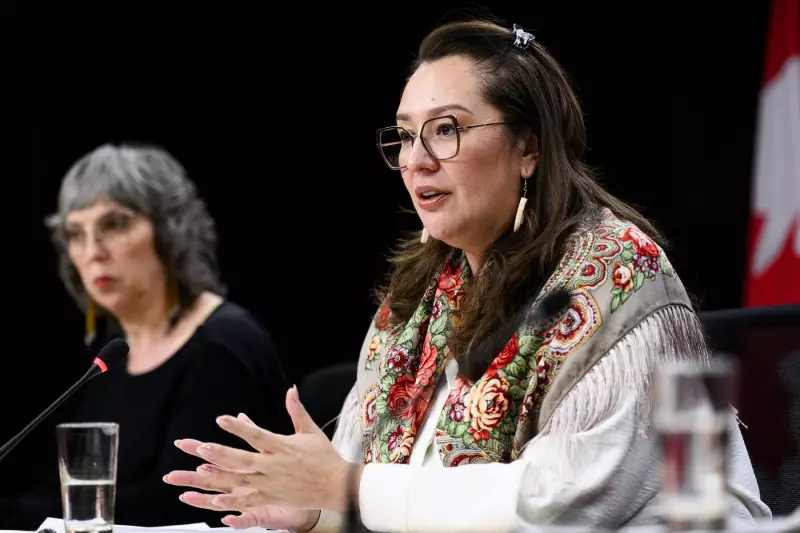
Indigenous Services Minister Mandy Gull-Masty has stated that the forthcoming First Nations clean water bill will focus primarily on water treatment and distribution infrastructure. During a press conference held at the National Press Theatre in Ottawa on Monday, December 22, 2025, the minister indicated that comprehensive source water protection measures are not part of the current legislative plan.
The announcement clarifies the scope of a long-awaited piece of legislation intended to address the persistent crisis of unsafe drinking water in many Indigenous communities across the country. While the government has committed to ending long-term drinking water advisories, advocates have consistently argued that safeguarding the lakes, rivers, and groundwater from contamination at the source is a critical, and often missing, component.

Focus on Treatment Over Prevention
The minister's comments suggest the bill will prioritize investments in water treatment plants, pipes, and operator training. This approach addresses the immediate need for potable water at the tap but does not legislate broader environmental safeguards for watersheds.
Critics of this framework argue that without legally enforceable measures to prevent industrial runoff, agricultural pollution, or other forms of contamination upstream, communities could face recurring water quality issues even with advanced treatment systems. Protecting the water at its source is often seen as a more sustainable and cost-effective long-term strategy.
Ongoing Debate on Sustainable Solutions
The development of this bill occurs within a complex landscape of jurisdictional responsibilities, where source water often falls under provincial or territorial authority, while drinking water on reserves is a federal responsibility. The minister's statement indicates the legislation may navigate this divide by concentrating on areas of direct federal control.
However, the omission of source water protection is likely to reignite debates about the holistic approach needed to solve the water crisis permanently. First Nations leaders and environmental groups have long emphasized that clean water is not just an infrastructure issue, but an ecological and rights-based one, intrinsically linked to the health of the surrounding land and environment.
The introduction of the bill, expected in the new parliamentary session, will be scrutinized for its specific mechanisms to fund, maintain, and govern water systems, and for its ability to prevent future advisories without addressing the root source of potential contamination.