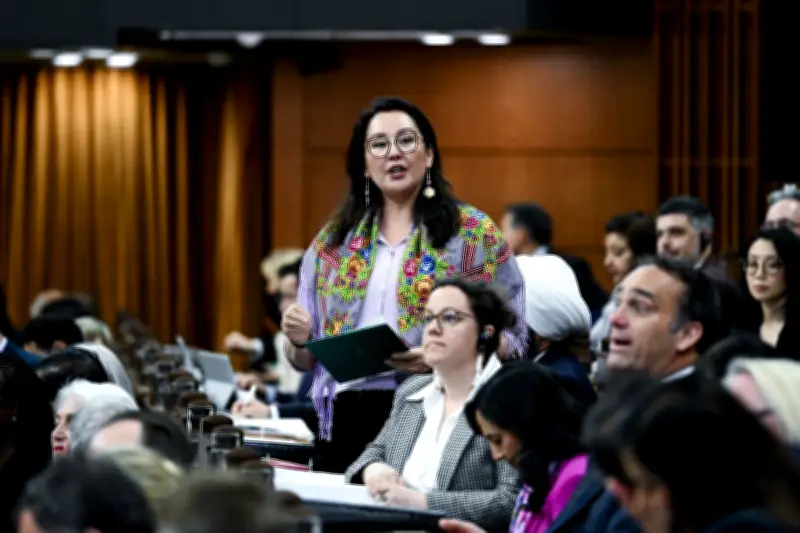
The Canadian government has introduced a new water bill for First Nations communities that notably omits the phrase 'right to clean water,' a departure from previous legislative language. The bill, presented by Minister of Indigenous Services Mandy Gull-Masty, aims to improve water infrastructure and access but has drawn criticism from Indigenous leaders who argue that the removal of the term 'right' weakens legal protections.
Key Changes in the Legislation
Unlike earlier drafts, the new bill does not explicitly recognize a legal right to clean water for First Nations. Instead, it focuses on funding mechanisms and service standards. Minister Gull-Masty stated that the government remains committed to ensuring safe drinking water, but the legal framing has shifted to emphasize practical implementation over declarative rights.
Reactions from Indigenous Groups
Assembly of First Nations National Chief Cindy Woodhouse expressed disappointment, calling the omission a 'step backward.' She noted that over 30 long-term boil water advisories remain in effect across Indigenous communities. Other advocates argue that without a codified right, communities may lack legal recourse if water quality issues persist.

Government Justification
Officials say the bill's approach is designed to be more flexible and responsive to local needs, avoiding one-size-fits-all mandates. The legislation includes $2 billion in new funding over five years for water treatment plants and operator training. However, critics counter that funding without enforceable rights has historically failed to resolve systemic problems.
The bill is expected to face amendments during parliamentary debate, with opposition parties and Indigenous organizations pushing to reinstate the right to clean water language. The outcome will test the government's commitment to reconciliation and the UN Declaration on the Rights of Indigenous Peoples, which Canada has adopted.