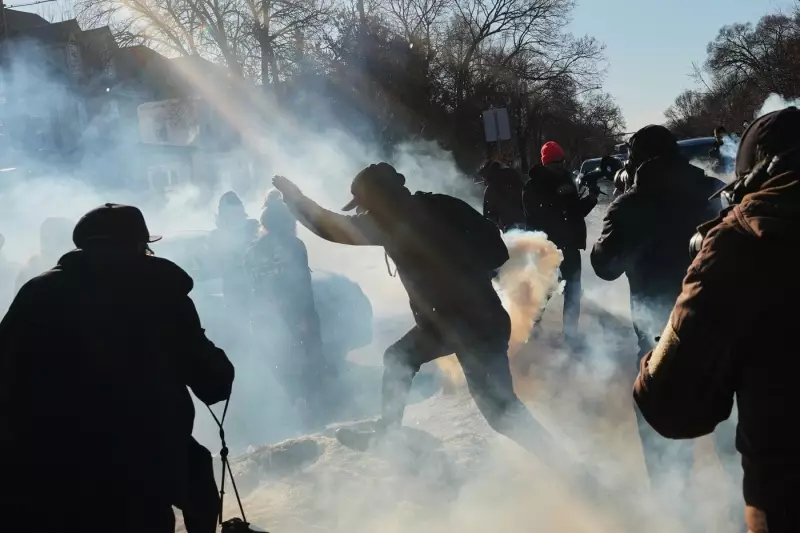
First Nations Communities Advise Caution at U.S. Border
First Nations leaders across Canada are issuing a formal warning to their members regarding travel across the United States border. This advisory comes in direct response to recent actions and heightened enforcement activities by U.S. Immigration and Customs Enforcement (ICE). The guidance urges individuals to exercise extreme caution and to be fully aware of their rights when navigating border crossings.
Context of the Warning
The warning stems from observable patterns of increased ICE operations near border regions, which have raised significant concerns within Indigenous communities. Many First Nations citizens frequently cross the border for cultural, familial, economic, and ceremonial purposes, utilizing rights protected under historical treaties and agreements. The current climate of stringent immigration enforcement has created an atmosphere of apprehension and potential risk for these travelers.
Community leaders emphasize that this is a precautionary measure, not a call to cease all cross-border travel. Instead, they are advocating for increased vigilance, proper documentation, and a clear understanding of legal entitlements when interacting with U.S. border authorities. The situation underscores the complex interplay between sovereign Indigenous rights and contemporary international border security protocols.

Broader Implications for Canada-U.S. Relations
This development adds another layer to the ongoing dialogue concerning border management and Indigenous rights between Canada and the United States. It highlights the unique challenges faced by First Nations peoples whose traditional territories and social networks span the international boundary. The advisory may prompt further diplomatic discussions to ensure that the rights of Indigenous peoples are respected within the framework of border security and enforcement.
The warning also reflects broader national conversations in Canada about the treatment of Indigenous peoples and the upholding of treaty obligations. It serves as a reminder of the enduring legal and cultural ties that connect First Nations communities across the 49th parallel, ties that predate the modern border's establishment.
As the situation evolves, community leaders are committed to monitoring ICE activities and will update their guidance accordingly to protect the well-being and rights of their members.