The trust between the British Columbia government and First Nations is being described as 'fragile' as the province considers potential changes to legislation implementing the United Nations Declaration on the Rights of Indigenous Peoples (UNDRIP). This delicate situation unfolds against the backdrop of Premier David Eby's previous commitments to Indigenous reconciliation.
A Ceremony of Recognition and Rising Tensions
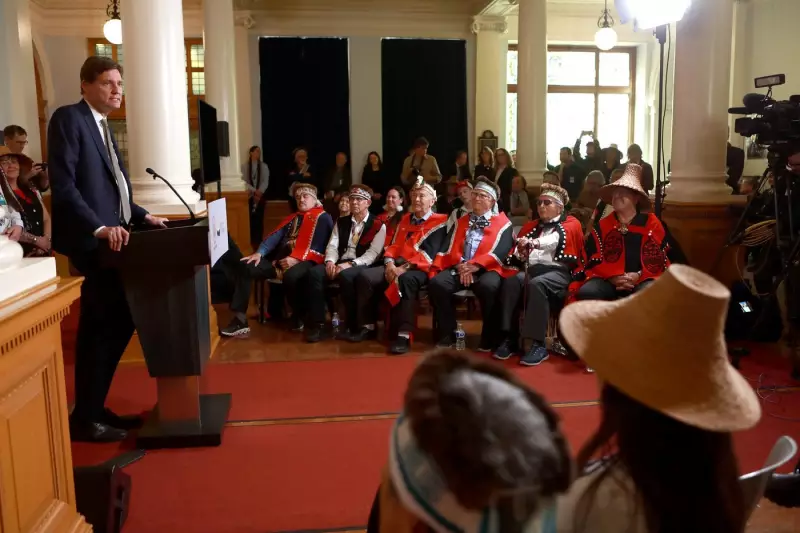
The political landscape was different in April 2024, when Premier Eby stood alongside Hereditary Chiefs of the Haida Nation in a ceremony at the B.C. legislature. The event formally recognized the Haida Nation's Aboriginal title throughout Haida Gwaii, marking a historic step forward. That moment, captured in the legislature's Hall of Honour, symbolized a government partnership built on recognition and respect.
Now, less than two years later, that hard-earned trust is facing a significant test. The provincial government is actively reviewing the Declaration on the Rights of Indigenous Peoples Act, which passed unanimously in 2019. This law mandates the alignment of all provincial laws with UNDRIP. The consideration of amendments or changes to this foundational legislation has sparked deep concern within Indigenous communities across the province.

The Core of the Concern: UNDRIP Implementation
At the heart of the issue is the UN Declaration on the Rights of Indigenous Peoples, a comprehensive international instrument establishing a universal framework of minimum standards for the survival, dignity, and well-being of Indigenous peoples. British Columbia was a pioneer in adopting this framework into law.
The potential for the government to alter the implementation law raises alarm bells. First Nations leaders argue that any step back from the full implementation of UNDRIP principles, such as free, prior, and informed consent (FPIC), could undermine years of progress and negotiation. The fear is that changes could dilute the province's legal obligations, making the recognition of titles, like that of the Haida, more symbolic than substantive in future agreements.
The government has not specified what changes are under consideration, but the mere review has been enough to cast a shadow over the relationship. For many First Nations, the 2019 act was a cornerstone of a new relationship with the Crown, and tampering with it is seen as a breach of good faith.
Navigating a 'Fragile' Path Forward
The descriptor 'fragile' underscores the precarious nature of contemporary Indigenous-Crown relations in B.C. While there have been landmark achievements, the foundation is perceived as vulnerable to political shifts and governmental priorities. The outcome of this review will be a critical indicator of the province's true commitment to reconciliation.
All eyes are now on Premier David Eby and his cabinet. Will they proceed with changes that could erode trust, or will they reaffirm their commitment to the original spirit and intent of the UNDRIP legislation? The decision will have profound implications for land rights, resource development, and governance partnerships across British Columbia. The government's next moves will either solidify a path of shared decision-making or risk fracturing a partnership that is still in the process of healing and building.