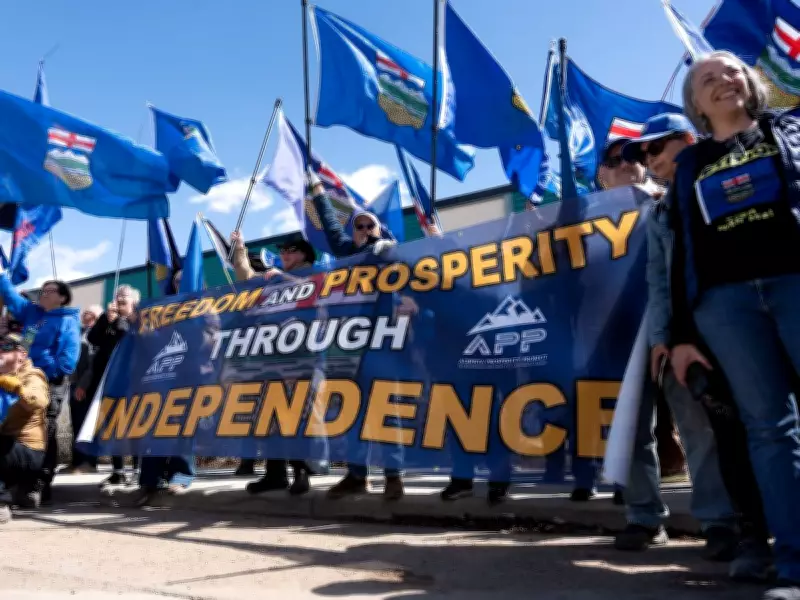
On Wednesday, in its Athabascan Chipewyan First Nation v Alberta decision, a trial judge of the Alberta Court of King’s Bench quashed the Alberta secession referendum process. In particular, the judge quashed the chief electoral officer’s decision to allow signatures to be gathered to call for a referendum. Whatever your view on Alberta secession, the decision warrants attention for the readiness of the judge to prohibit a democratic process based on Indigenous rights claims.
In my view, the application of the rules on the duty to consult First Nations to the democratic referendum process at issue deserved more reasoning than it got in the judgment, and this will be one of several points that may yield a different result on appeal.
The Duty to Consult
The duty to consult has existed in a particular form in Canadian case law since a trilogy of Supreme Court of Canada cases in 2004 and 2005. That trilogy, starting with the Haida Nation decision, set out the basic rules. In essence, the duty to consult applies based on three requirements, often called the trigger test. They are: (1) the Crown is making a decision; (2) the Crown’s decision could negatively affect claimed Aboriginal or treaty rights; and (3) the Crown knew or should have known of these rights. If the trigger test is met, then the Crown owes a duty to consult to the Indigenous community or communities whose rights could be affected.

It must do so even in circumstances of uncertainty about the rights, where there is ongoing disagreement between the government and Indigenous communities. What it must do depends on how strong the rights claim seems to be and how significant the negative impact on it could be. But it must do something as long as the trigger test is met.
Legislative vs. Executive Action
The duty to consult applies specifically to executive action — meaning actions taken by the operating arms of government to implement laws and policies. In 2018, the Supreme Court of Canada held in the Mikisew Cree case that the duty to consult does not apply to legislative action. In other words, when a provincial legislature or Parliament is working on drafting and passing new laws, legislators do not have to consult with Indigenous communities. Any decision otherwise, the Court held, would interfere too much with the workings of the parliamentary system.
Although some asked right away if the Mikisew Cree holding might apply and raise questions about the judge’s decision this week, the case did not deal with a legislative decision. The judge focused on the decision of Chief Electoral Officer Gordon McClure to permit a petition to gather signatures. In making that decision, McClure operated within the rules legislators had created in legislation in Alberta. While there could be some argument around the fact that the chief electoral officer is an officer of the legislature, it is also possible that his action was executive rather than legislative, and the Mikisew Cree rule did not directly apply.
Nevertheless, the judge’s readiness to set aside a democratic process with over 300,000 signatures based on a relatively novel application of the duty to consult raises serious questions about the balance between Indigenous rights and broader democratic principles. The decision may be appealed, and it will be interesting to see how higher courts address these issues.