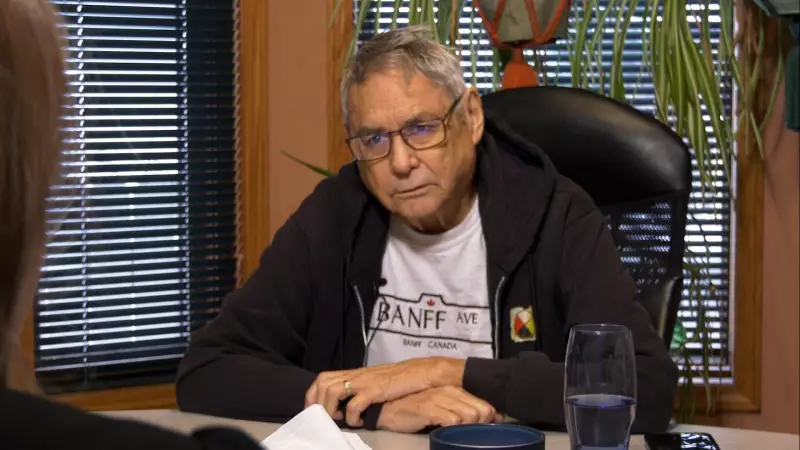
After a significant tenure sharing vital perspectives, columnist Doug Cuthand has penned his final piece for the Saskatoon StarPhoenix. His departure marks the end of an era for a voice that consistently centered Indigenous narratives and issues within Saskatchewan's media landscape.
A Pillar of Indigenous Perspective
Doug Cuthand's column served as a crucial platform for Indigenous storytelling in the province. Through his writing, he addressed a wide range of topics, from contemporary political and social issues to cultural preservation and historical reflection. His work provided non-Indigenous readers with insight and context while offering Indigenous readers a resonant and recognized voice in mainstream print media.
The announcement of his sign-off was made public on December 5, 2025. While the specific reasons for his departure were not detailed in the initial report, the conclusion of his regular contributions creates a notable void in the paper's editorial offerings.

The Legacy of Consistent Storytelling
Cuthand's legacy is defined by consistency and commitment. Over the years, his column became a trusted source for analysis and commentary on matters affecting First Nations and Métis communities in Saskatchewan and beyond. He navigated complex topics with clarity, often bridging understanding between different communities within the province.
His approach to journalism went beyond simple reporting; it was an act of cultural stewardship. By ensuring Indigenous stories were told with authenticity and prominence in a major regional newspaper, Cuthand played a key role in shaping public discourse and awareness.
Looking Forward for Indigenous Media
The end of Doug Cuthand's regular column with the Saskatoon StarPhoenix raises questions about the future of dedicated Indigenous commentary in similar mainstream outlets. His work demonstrated the high demand and critical importance of such perspectives.
While his voice will be missed in its weekly format, the body of work he leaves behind continues to serve as an important resource and a benchmark for Indigenous journalism in Canada. It underscores the ongoing need for media organizations to platform diverse voices, particularly those representing First Nations, Inuit, and Métis communities.
The impact of his writing extends beyond the final publication date. Doug Cuthand's contributions have undoubtedly influenced readers, policymakers, and fellow journalists, embedding a deeper appreciation for Indigenous narratives within the broader cultural conversation of Saskatchewan.