Claims Process Opens for Survivors of Canada's Segregated 'Indian Hospitals'
A significant and long-awaited step toward reconciliation has been taken with the official opening of a claims process for survivors of Canada's segregated 'Indian Hospitals.' These institutions, which operated primarily from the 1940s to the 1980s, represent a dark and often overlooked chapter in the nation's history of Indigenous healthcare.
A Painful Legacy of Segregated Care
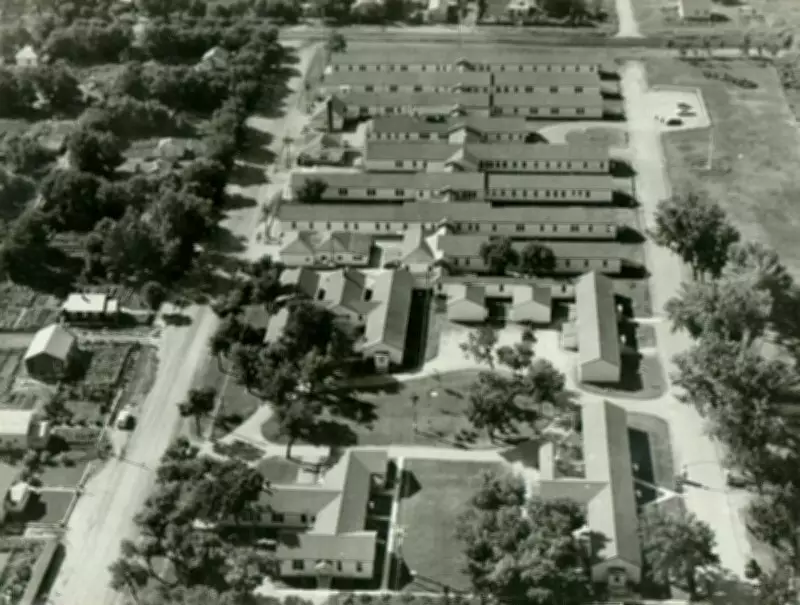
The network of 'Indian Hospitals' was established by the federal government to provide tuberculosis treatment and other medical services to Indigenous peoples, often forcibly separating them from their families and communities. Survivors and their advocates have described the conditions within these facilities as substandard, with reports of neglect, experimentation, and a profound lack of cultural sensitivity. The emotional and physical trauma inflicted has had intergenerational impacts.
"It was a horrible thing," is a sentiment echoed by many who endured this system. The new claims process aims to provide a measure of acknowledgment and compensation for the suffering experienced. This initiative follows years of advocacy by survivors, Indigenous leaders, and organizations dedicated to uncovering this history and seeking justice.

The Path to Recognition and Compensation
The launch of this process marks a critical moment in addressing historical wrongs. It allows eligible survivors and, in some cases, their families to come forward and file claims for the harms they suffered. The process is designed to be survivor-centric, aiming to be as accessible and trauma-informed as possible, recognizing the sensitivity of the subject matter.
This move is part of a broader national reckoning with Canada's colonial past and its ongoing consequences for Indigenous peoples. It follows other reparative measures and truth-telling efforts, such as those related to residential schools. The opening of these claims is seen not as an endpoint, but as a necessary step in a longer journey of healing, truth, and reconciliation.
While the process offers a formal avenue for redress, community healing and the preservation of personal and collective memory remain paramount. The stories of survivors are crucial to ensuring this history is neither forgotten nor repeated, contributing to a more honest and just future for all Canadians.