Alberta First Nation Issues Border Crossing Advisory to Members
An Alberta First Nation has issued a formal caution to its members regarding travel across the United States border, urging heightened awareness and preparation. This advisory comes amid reports of increased enforcement activities and political discussions that could impact Indigenous peoples' mobility and rights.
Context of the Warning
The First Nation's leadership emphasized that members should exercise particular care when planning trips to or through the United States. While specific incidents prompting the warning were not detailed in the initial announcement, it references broader concerns about immigration enforcement and cross-border relations. Recent events, including meetings between alleged Alberta separatists and U.S. officials—described by some politicians as bordering on treason—have contributed to a tense atmosphere.
Historical and legal frameworks governing Indigenous border crossings add complexity to this issue. Many First Nations in Canada have treaty rights and historical ties that span the international boundary, but these can conflict with modern immigration laws and enforcement practices.

Potential Risks and Recommendations
The advisory likely addresses several key risks for First Nation members:
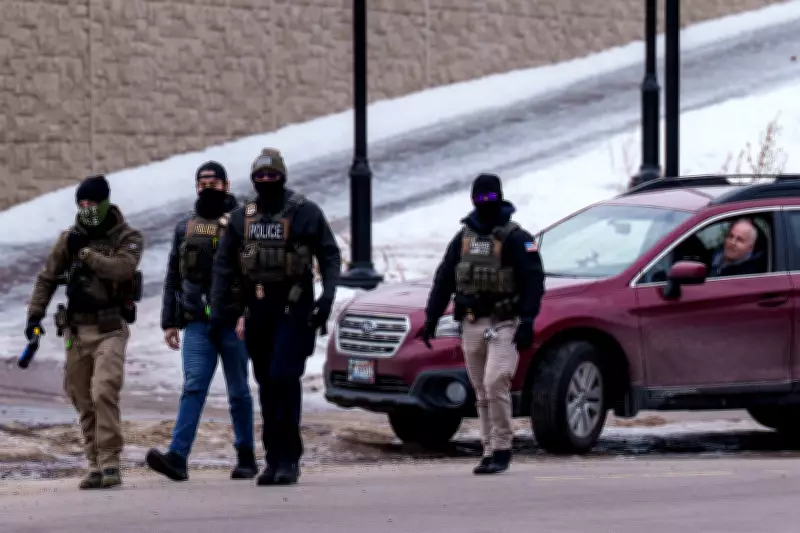
- Increased scrutiny from U.S. Customs and Border Protection or Immigration and Customs Enforcement (ICE) agents.
- Possible delays or denials of entry due to heightened security measures.
- Legal uncertainties surrounding Indigenous identification and documentation.
- Political fallout from separatist movements or diplomatic tensions.
Members are advised to carry proper identification, understand their rights, and stay informed about current border policies. The First Nation may also be coordinating with legal experts to provide guidance and support for those affected.
Broader Implications for Indigenous Communities
This warning highlights ongoing challenges faced by Indigenous peoples in navigating international borders. It underscores the need for clear communication between First Nations, Canadian authorities, and U.S. officials to protect members' rights and safety. Similar advisories have been issued by other Indigenous groups in the past, reflecting persistent concerns about discrimination, profiling, or misunderstandings at border crossings.
The situation in Alberta is particularly noteworthy given recent political developments, including discussions about separation and interactions with foreign entities. These factors could indirectly influence border enforcement priorities and attitudes toward Canadian citizens, including Indigenous individuals.
As cross-border travel remains essential for many First Nation members for cultural, familial, or economic reasons, this advisory serves as a proactive measure to mitigate risks. It also calls attention to the broader issue of how Indigenous sovereignty intersects with national borders and immigration enforcement in North America.