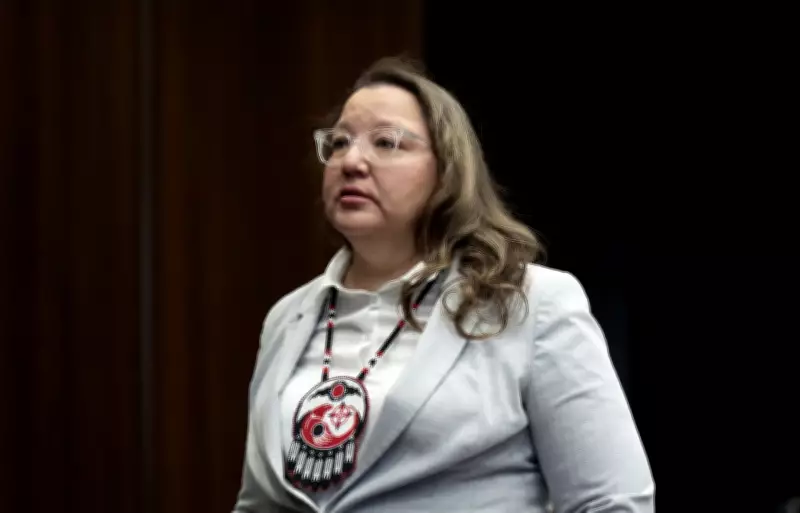
In a significant move, Assembly of First Nations National Chief Cindy Woodhouse Nepinak has formally requested United Nations support for First Nations' opposition to proposed Indigenous law changes in British Columbia. This action underscores the escalating tensions between Indigenous communities and provincial authorities over legislative reforms that could impact treaty rights and self-governance.
AFN Chief's Appeal to the United Nations
National Chief Cindy Woodhouse Nepinak, a prominent Indigenous leader, has reached out to the UN, seeking international backing to challenge the B.C. government's planned amendments to Indigenous laws. The appeal emphasizes concerns that these changes might undermine the sovereignty and cultural integrity of First Nations across the province. Woodhouse Nepinak argues that such legislative shifts could violate existing treaties and international human rights standards, necessitating global intervention to protect Indigenous interests.
Background on the B.C. Indigenous Law Changes
The proposed law changes in British Columbia have sparked widespread debate, with First Nations groups expressing fears that they could erode hard-won rights related to land use, resource management, and governance. These amendments are part of broader provincial efforts to modernize Indigenous legislation, but critics, including the AFN, contend that they lack adequate consultation with Indigenous peoples, potentially leading to legal and social conflicts.

Implications for Indigenous Rights and Relations
This development highlights the ongoing struggles over Indigenous rights in Canada, where issues of reconciliation and self-determination remain contentious. By involving the UN, the AFN aims to draw international attention to what it perceives as threats to Indigenous autonomy, potentially pressuring the B.C. government to reconsider its approach. The move also reflects a growing trend of Indigenous leaders leveraging global platforms to advocate for their communities amidst domestic policy disputes.
As the situation unfolds, stakeholders are closely monitoring responses from both the UN and provincial officials, with the outcome likely to influence future Indigenous-law negotiations across Canada. The AFN's action serves as a reminder of the complex interplay between local governance and international human rights frameworks in addressing Indigenous concerns.