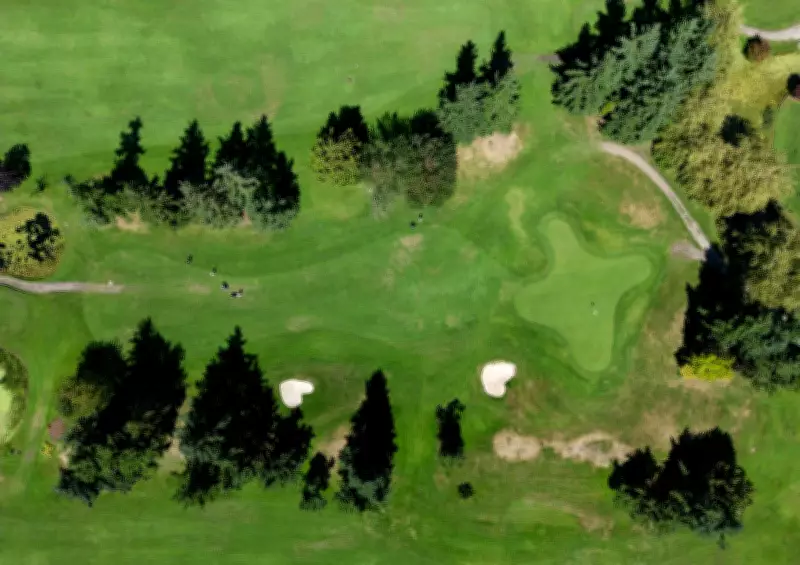
Canada's High Court has ruled that Aboriginal title cannot be applied to privately owned land, a decision that clarifies the scope of Indigenous land rights in the country. The ruling, delivered on May 28, 2026, stems from a case involving the Cowichan Nation's claim over land in Richmond, British Columbia, which includes the Country Meadows Golf Course.
Legal Implications
The court determined that Aboriginal title, which recognizes Indigenous peoples' exclusive use and occupation of land, does not extend to parcels that are privately held. This decision sets a precedent for similar claims across Canada, potentially limiting the ability of First Nations to assert title over lands that have been transferred to private ownership.
Reactions and Context
Indigenous leaders expressed disappointment, arguing that the ruling undermines reconciliation efforts and ignores historical injustices. Legal experts note that the decision may prompt governments to reconsider land management policies. The case is part of a broader legal landscape where Indigenous groups seek recognition of unceded territories.

The ruling does not affect Crown land or public lands, where Aboriginal title claims may still proceed. It also does not impact existing treaties or land agreements. The court emphasized that the decision is based on the specific facts of the case and does not preclude future claims on private land under different circumstances.
This development comes amid ongoing debates about Indigenous sovereignty and land rights in Canada, with several high-profile claims pending. The government has stated its commitment to reconciliation but has not yet commented on the ruling.