

Trump Administration Announces Major Reduction of Immigration Agents in Minnesota
In a significant shift in immigration enforcement strategy, the Trump administration has revealed plans to withdraw approximately 700 immigration agents from Minnesota. This substantial drawdown represents a notable recalibration of federal resources dedicated to border security and interior enforcement operations within the state.
Border Czar Outlines Operational Changes
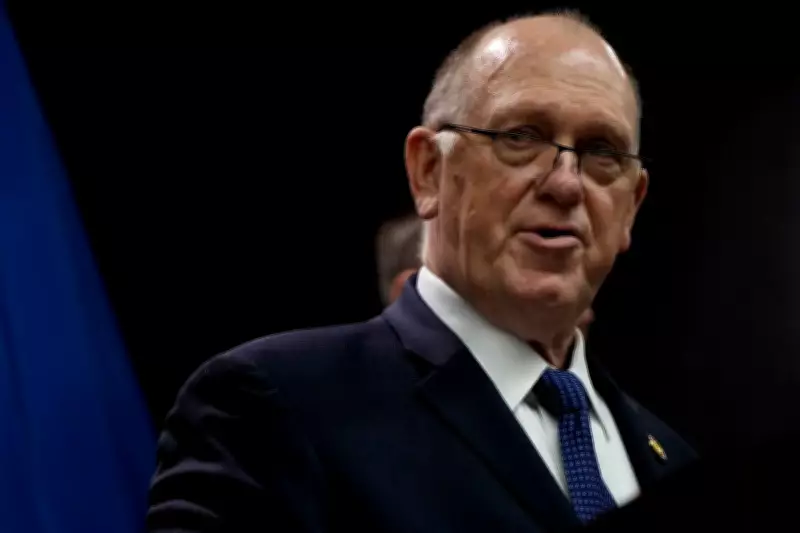
The announcement was made by White House border czar Tom Homan during a recent news conference held at the Bishop Whipple Federal Building in Minneapolis. Homan, who has been a central figure in implementing the administration's immigration policies, detailed the rationale behind this strategic reduction.
This move comes as part of broader adjustments to immigration enforcement priorities across various regions of the United States. While specific details regarding the timeline for this withdrawal remain under development, the decision signals a potential reallocation of federal immigration resources to other areas deemed to have higher enforcement needs.

Context and Implications for Minnesota
Minnesota has been a focal point for immigration discussions, with its diverse population and strategic location. The reduction of 700 agents will undoubtedly impact local enforcement capabilities and may lead to changes in how immigration laws are implemented throughout the state.
Community organizations and local officials are closely monitoring these developments, as the shift could affect everything from workplace enforcement operations to detention and removal proceedings. The move raises questions about how remaining immigration personnel will prioritize their activities and what alternative enforcement strategies might be employed.
Broader Immigration Policy Landscape
This announcement occurs within the context of ongoing national debates about immigration reform and border security. The Trump administration has consistently emphasized stricter enforcement measures, making this reduction in Minnesota particularly noteworthy.
As operational details continue to emerge, stakeholders across Minnesota will be assessing the practical implications of this personnel reduction. The decision may prompt discussions about resource allocation, enforcement priorities, and the balance between federal and local responsibilities in immigration matters.






