

U.S. Judge to Hear Arguments on Minnesota's Immigration Crackdown After Fatal Shootings
A U.S. judge is set to hear arguments on Minnesota's immigration crackdown, a move that comes in the wake of fatal shootings that have heightened tensions and sparked legal challenges. The hearing, scheduled for early 2026, will address the state's enforcement measures, which have drawn scrutiny from both supporters and critics amid a broader national debate on immigration policy.
Background and Context
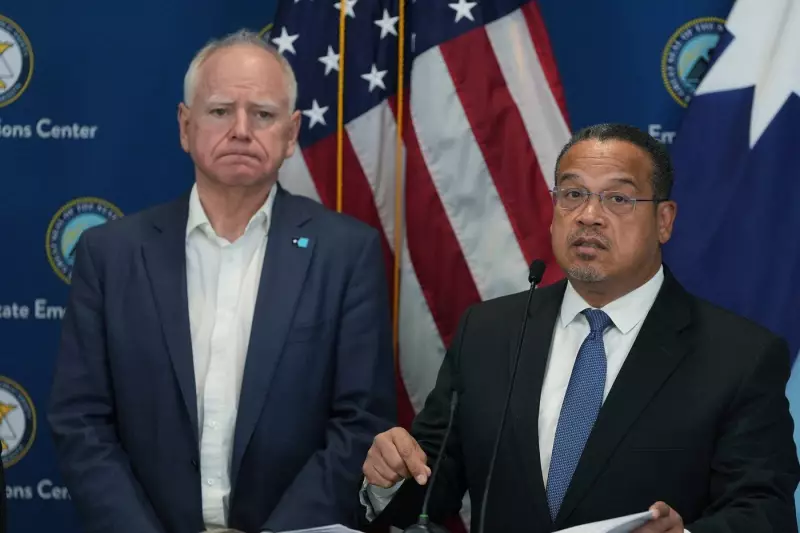
The crackdown was initiated by Minnesota officials, including Attorney General Keith Ellison and Governor Tim Walz, who have emphasized public safety concerns following violent incidents. In a news conference held in Blaine, Minnesota, on January 25, 2026, Ellison and Walz outlined their stance, linking the enforcement actions to recent tragedies that have impacted local communities.
This legal proceeding follows a series of events where fatal shootings have been attributed to individuals involved in immigration-related issues, though specific details of the cases remain under review. The judge's decision could set a precedent for how states handle immigration enforcement in the absence of federal consensus, potentially influencing similar policies across the United States.

Key Arguments and Implications
Proponents of the crackdown argue that it is necessary to protect residents and uphold law and order, citing data that suggests a correlation between certain immigration statuses and criminal activity. They contend that state-level action is justified when federal policies are perceived as inadequate or slow to respond to local threats.
Opponents, however, raise concerns about civil liberties, potential racial profiling, and the humanitarian impact of such measures. Legal experts predict that the arguments will focus on constitutional issues, including states' rights versus federal authority, and the balance between security and individual freedoms.
The outcome of this hearing could have far-reaching consequences, not only for Minnesota but for other states considering similar approaches. It may also affect ongoing discussions in Congress and among policymakers about comprehensive immigration reform.
Broader Impact and Future Outlook
As the hearing approaches, stakeholders from various sectors, including advocacy groups, law enforcement, and community leaders, are preparing to present their perspectives. The case is expected to draw significant media attention, reflecting the polarized nature of immigration debates in contemporary society.
In the meantime, Minnesota residents are closely watching the developments, with many expressing hope for a resolution that addresses both safety concerns and the rights of immigrants. The judge's ruling, expected later in 2026, will likely be appealed, suggesting that this issue will remain contentious for the foreseeable future.
Overall, this legal battle underscores the complex interplay between local governance, federal oversight, and social justice in handling immigration matters, making it a critical case to monitor in the coming months.






