

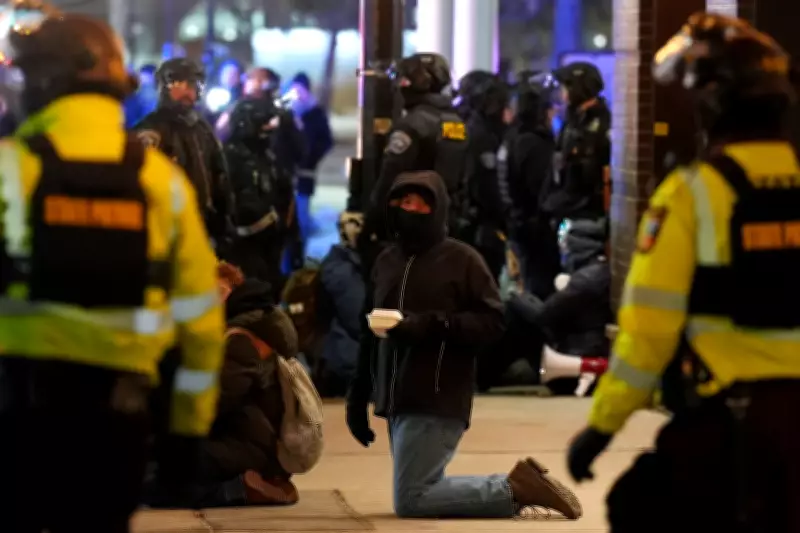
ICE Enforcement in Minnesota Shows Signs of Softening Amid Conflicting Trump Administration Signals
After several days of sustained public demonstrations and growing political pressure, indications are emerging that the United States Immigration and Customs Enforcement (ICE) agency is adjusting its operational posture in the state of Minnesota. This apparent shift coincides with what observers describe as mixed and sometimes contradictory messaging emanating from the Trump administration regarding immigration enforcement priorities and tactics.
Context of the Protests and Policy Environment
The recent protests in Minnesota have focused on ICE enforcement actions, with community groups and advocates expressing deep concerns over the methods and scope of operations. These demonstrations have drawn significant local and national media attention, placing the administration's immigration policies under intense scrutiny. The situation in Minnesota is often viewed as a bellwether for broader national immigration enforcement trends under the current federal leadership.
An expert on federal immigration policy, speaking from Washington, D.C., provided analysis on the developing situation. The expert noted that while public statements from various administration officials have sometimes appeared inconsistent, the on-the-ground actions by ICE in Minnesota suggest a potential recalibration. This could involve a more targeted approach or a temporary de-escalation in certain types of enforcement activities in response to the public outcry and logistical challenges posed by large-scale protests.

Analyzing the 'Mixed Messaging' from the Top
The term "mixed messaging" refers to the perceived disconnect between rhetoric from President Trump and other senior officials and the actual directives or operational changes implemented by agencies like ICE. The expert explained that this is not uncommon in complex federal bureaucracies, especially on politically charged issues like immigration. Policy announcements from the White House or the Department of Homeland Security may be broad and forceful, while field offices must adapt to local realities, legal constraints, and resource limitations.
Key factors influencing this dynamic include:
- Local Law Enforcement Cooperation: The level of collaboration with state and local police in Minnesota can significantly impact ICE's operational capacity.
- Judicial Oversight: Court rulings and ongoing litigation can force rapid adjustments to enforcement strategies.
- Resource Allocation: ICE must prioritize its personnel and funding, which can lead to shifts in focus between different regions or types of enforcement actions.
- Political Calculations: The administration may be weighing the political costs of aggressive enforcement in a specific locale against potential benefits.
What a Policy Shift Could Mean for Minnesota
If the observed softening represents a genuine and sustained policy shift, it could have several implications for immigrant communities in Minnesota. A more measured approach might lead to a reduction in large-scale workplace raids or a greater emphasis on individuals with serious criminal records, as opposed to broader enforcement sweeps. However, the expert cautioned that such shifts can be temporary and are often subject to change based on national political developments or directives from Washington.
The situation remains fluid, and advocates on all sides of the immigration debate are closely monitoring ICE's actions for signs of a permanent change in strategy. The expert concluded that the events in Minnesota highlight the ongoing tension between federal immigration enforcement goals and local community responses, a dynamic that continues to shape the national conversation on this critical issue.






