

Reports of ICE Ruses in Minnesota Intensify Immigrant Community Fears
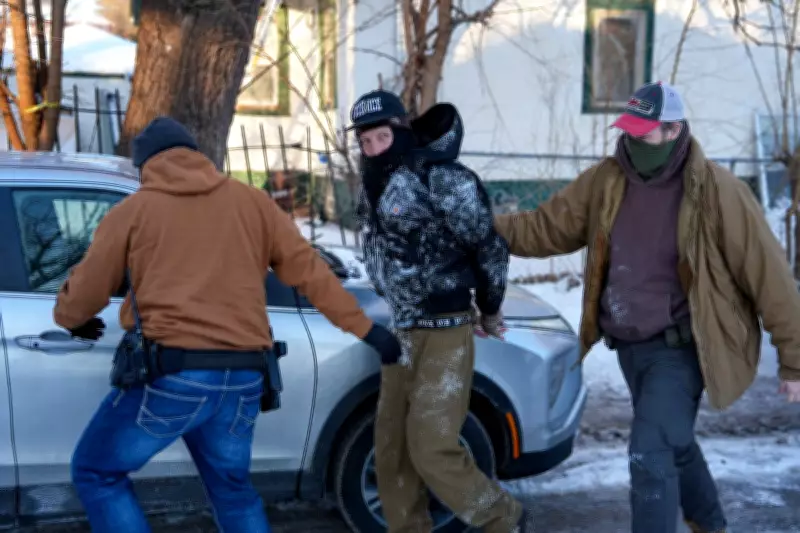
Allegations of deceptive tactics employed by federal immigration agents in Minnesota are amplifying anxieties within immigrant communities across the state. Recent reports detail instances where agents from U.S. Immigration and Customs Enforcement (ICE) have allegedly used ruses, such as wearing hard hats or displaying dummy license plates, to gain access to individuals or premises for enforcement actions.
Details of the Alleged Deceptive Practices
According to accounts from activists and community members, these tactics are not isolated. In one notable incident from early February 2026, an activist was detained by federal agents in Minneapolis. While specific operational details remain under scrutiny, the broader pattern suggests a strategy of misrepresentation to facilitate apprehensions. The use of props like construction gear or falsified vehicle identifiers is said to create a facade of legitimacy, allowing agents to approach targets under false pretenses.
This approach has sparked significant concern among advocacy groups, who argue that such methods undermine trust and can lead to violations of rights. Legal experts note that while certain deceptive practices may be permissible under current law, they often operate in a gray area, potentially crossing ethical and legal boundaries if they involve coercion or entry under false premises.

Community Impact and Broader Context
The fallout from these reports extends beyond individual cases, contributing to a climate of fear in Minnesota's immigrant populations. Many residents now report heightened vigilance and reluctance to engage with strangers or unknown officials, fearing similar encounters. This environment complicates daily life and community interactions, with some avoiding public spaces or essential services due to apprehension.
Minnesota, with its diverse communities, has been a focal point in national immigration debates. The state has seen previous tensions over enforcement policies, and these latest allegations add to a contentious landscape. Advocates are calling for greater transparency and oversight of ICE operations, emphasizing the need for protocols that respect civil liberties while addressing security concerns.
Legal and Policy Implications
The use of ruses by immigration authorities is not entirely new, but its reported escalation in Minnesota raises pressing questions:
- Accountability: How are these tactics monitored and regulated to prevent abuse?
- Community Relations: What impact do such strategies have on public trust and cooperation with law enforcement?
- Legal Boundaries: Where is the line between permissible deception and unlawful conduct in enforcement actions?
As these discussions unfold, the situation in Minnesota reflects broader national challenges in balancing enforcement objectives with ethical standards. The outcome could influence policy adjustments and community advocacy efforts aimed at protecting vulnerable populations while upholding the rule of law.






